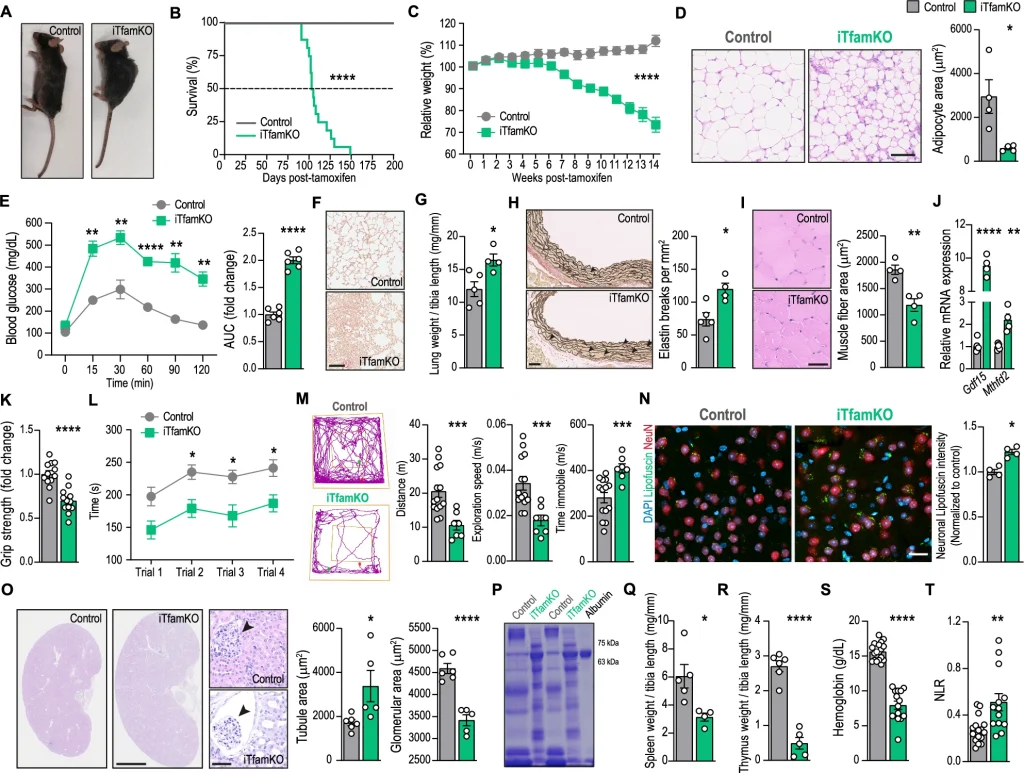
A new study led by María Mittelbrunn (Universidad Autónoma de Madrid / CBM-CSIC) suggests that butyrate, a short-chain fatty acid produced by gut microbes, can delay multi-organ decline and extend survival in mouse models of systemic mitochondrial dysfunction.
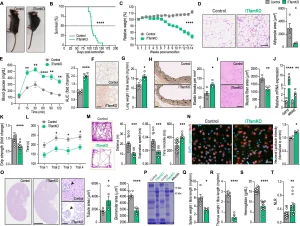
Mitochondria are central to metabolism and tissue maintenance. When mitochondrial function collapses, organisms often develop multisystem disease affecting muscle, kidney, metabolic control, and the nervous system. In this study, the authors created an inducible mouse model of systemic mitochondrial failure by deleting TFAM, a key factor required for mitochondrial DNA maintenance (iTfamKO mice), which developed severe multimorbidity and premature death.
One of the most striking findings is that mitochondrial decline was accompanied by a breakdown in gut homeostasis: iTfamKO mice showed intestinal barrier disruption and gut dysbiosis, along with a systemic drop in microbiota-derived metabolites.
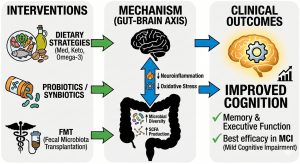
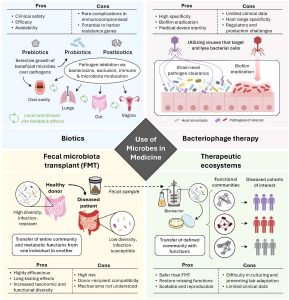
The intervention results are what make this work particularly compelling. The authors report that restoring a healthier microbiota (via fecal microbiota transfer from healthy mice) partially restored SCFA levels and was associated with a major extension in maximum lifespan in the iTfamKO model. They then tested a more targeted approach: tributyrin, a dietary precursor of butyrate. Tributyrin supplementation increased fecal butyrate, delayed features of multimorbidity (including loss of strength and impaired glucose handling), improved kidney-related readouts, and extended median lifespan in mice.
Mechanistically, butyrate replenished epigenetic histone acylation marks that were reduced in the intestine during mitochondrial deficiency, and it partially restored gene-expression programs tied to barrier integrity and intestinal homeostasis. Together, the data frame butyrate not as a simple biomarker, but as a plausible causal mediator in a gut–mitochondria axis that influences systemic resilience.
While these findings come from mouse models of mitochondrial disease, they sharpen an idea increasingly relevant to healthy aging research: maintaining metabolic resilience may depend on preserving host–microbiota symbiosis and the metabolite signals that connect the gut to whole-body physiology.
Read the full article here
Reference: Gabandé-Rodríguez, E., Gómez de las Heras, M.M., Ramírez-Ruiz de Erenchun, P. et al. Butyrate extends health and lifespan in mice with mitochondrial deficiency. Nat Commun 17, 3909 (2026).
Read the news on LinkedIn