Over the course of this meeting, one message has emerged with clarity: microbiota research in Japan has reached a level of scientific maturity characterized by mechanistic depth and growing clinical relevance. The work presented here reflects not only technical excellence, but also a sustained effort to connect fundamental microbiology with medical application.
Japanese research groups have shown strong leadership in moving beyond descriptive microbiome studies toward functional and causal understanding. Across sessions, investigators addressed how microbial communities influence host metabolism, immune regulation, ageing, and disease susceptibility, using integrated strategies that combine multi-omics technologies, experimental models, and well-characterized human cohorts. This mechanistic focus represents a critical step for the field.
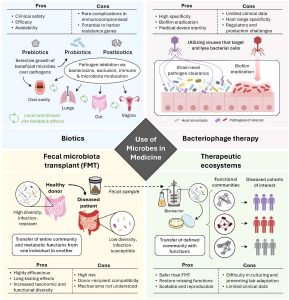
A defining feature of this meeting has been its clinical orientation. Several contributions focused on patient-centered research, including longitudinal cohort studies, interventional trials, and the identification of microbiota-derived biomarkers. These approaches illustrate how microbial functions and metabolites are increasingly evaluated not only as biological readouts, but as tools for diagnosis, risk stratification, and therapeutic development.
Japan’s long-standing expertise in microbial science, nutrition, and fermentation provides a strong foundation for these advances. What is particularly evident is how this foundation is being translated into contemporary clinical frameworks, including precision medicine and preventive healthcare. Productive interactions between academic research, clinical practice, and industry have been a recurring theme throughout the program.
At the same time, discussions have highlighted challenges that will shape the next phase of microbiota-based medicine, including standardization, reproducibility, population-specific variability, and regulatory considerations. Addressing these issues will require sustained interdisciplinary collaboration and coordinated international efforts.
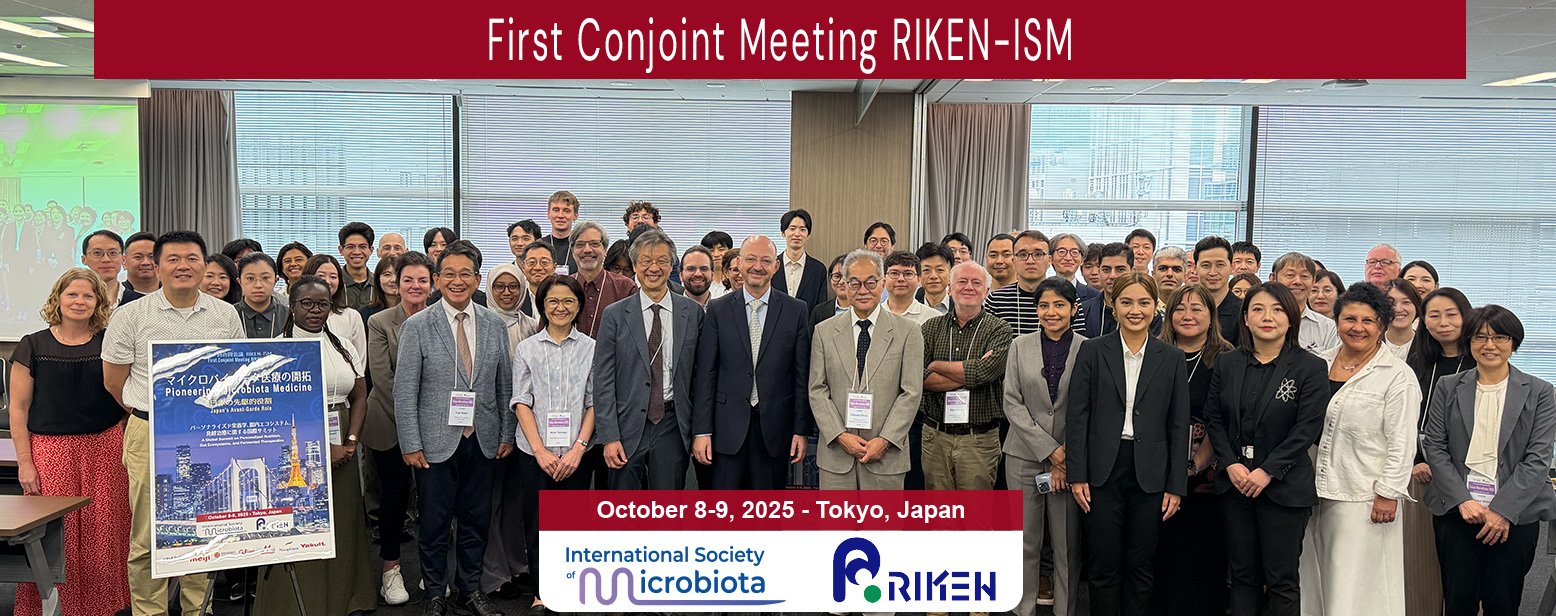
In conclusion, this meeting has provided a clear view of the current state and future direction of microbiota science. The contributions presented here underscore Japan’s central role in advancing microbiota research into medicine, with implications extending to global clinical practice. We thank RIKEN and the International Society of Microbiota (ISM) for this excellent initiative, which has successfully built a bridge between Japanese scientific leadership and the international microbiota community, enabling meaningful exchange and future collaboration.