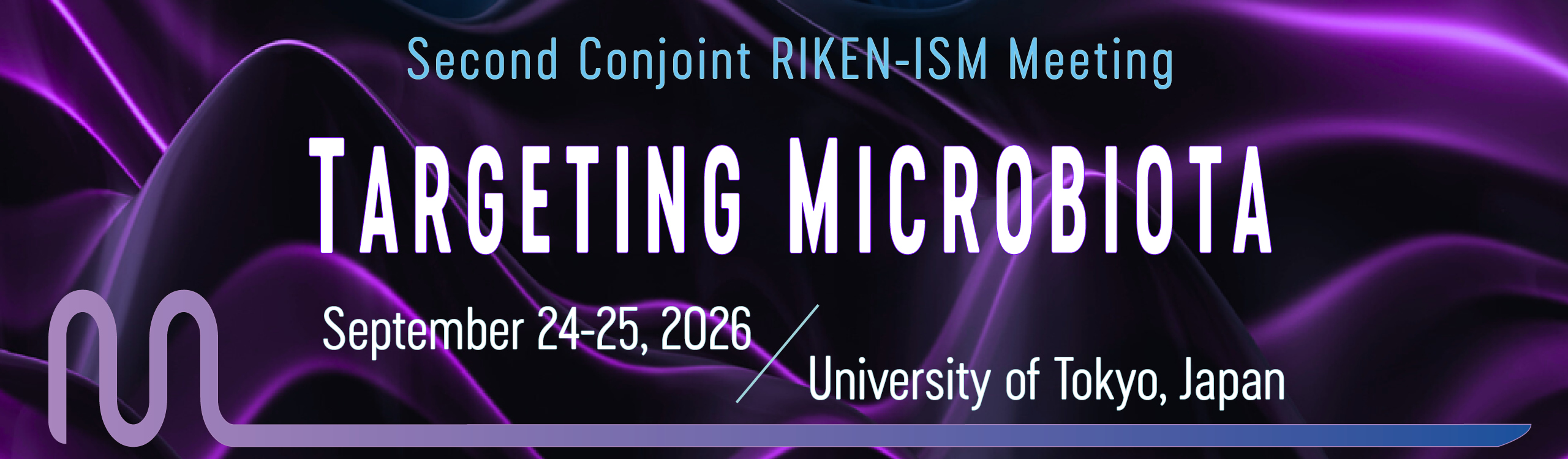
The University of Tokyo will serve as host city for the Second Conjoint Meeting between the International Society of Microbiota (ISM) and RIKEN, scheduled for September 24–25, 2026. Building on the momentum of the inaugural RIKEN-ISM meeting, which drew researchers, clinicians, and innovators from dozens of countries, this second edition promises to be an even broader and more impactful gathering for the global microbiome community.
At the heart of the meeting is its unique ability to unite scientists across disciplines. By bridging fundamental biology, clinical research, nutrition, biotechnology, and innovation, the event aims to forge a shared scientific language around microbial ecosystems and their role in human health. Researchers working at the bench will sit alongside clinicians, industry scientists, and entrepreneurs, a combination organisers believe is essential to accelerating progress in microbiome medicine.
What’s on the Programme?
The 2026 scientific programme will spotlight some of the most pressing frontiers in microbiota research. Key themes include host–microbiota interactions, microbial metabolites as mediators of host health, precision probiotics, and the emerging field of microbiome medicine. A dedicated focus will also be placed on the contribution of microbiota science to healthy aging, a topic of growing urgency worldwide.
Japan’s own scientific heritage adds a distinctive layer to the programme. The meeting will spotlight the country’s centuries-old expertise in fermentation science, its leading role in probiotic strain discovery, and its vibrant culture of microbial innovation, a fitting backdrop for an event of this calibre.
RIKEN and ISM have stated their ambition to make the meeting not only scientifically rigorous but also original and impactful, fostering genuine dialogue, new collaborations, and fresh perspectives on the microbiome’s role in medicine and beyond. Registration and further details are expected to be announced through the official ISM and RIKEN channels in the coming months.
Source: International Society of Microbiota — Second Conjoint Meeting ISM-RIKEN