The RIKEN-ISM Tokyo Meeting aims to advance a new phase of microbiota science, moving beyond the description of microbial communities toward a deeper understanding of how microbial ecosystems regulate human physiology.
Researchers from multiple disciplines will gather in Tokyo to explore how microbiota influence metabolism, immunity, and cellular function through the production of microbial metabolites. These molecules act as key biological signals connecting microbial ecosystems with host metabolic pathways.
The scientific strategy: microbiota shape host biology through metabolic communication. Particular attention will be given to how microbial metabolites influence mitochondrial function, cellular energy regulation, and the biological processes that determine resilience and healthy aging.
By bringing together microbiologists, clinicians, metabolic researchers, and biotechnology innovators, the meeting seeks to create a common scientific framework for understanding how microbial ecosystems interact with host metabolism.
The microbiota field has reached a stage where we must move from association to mechanism, said Prof. Hiroshi Ohno, RIKEN Center for Integrative Medical Science, President of Tokyo Microbiota 2026, he highlights that understanding how microbial metabolites interact with host metabolism will be essential for translating microbiome research into medical applications.
For the ISM Scientific Committee, the meeting also reflects a broader transformation in biomedical research. Microbiota science is entering a new era, said Prof. Marvin Edeas, University of Paris, Chairman of the Scientific Committee. Prof. Edeas highlights that the dialogue between microbial ecosystems, metabolism, and mitochondrial biology is opening new perspectives on our understanding of health, disease, and aging. Our objective is to bring together scientists from different disciplines to build a common vision of how microbiota research can contribute to the medicine of tomorrow.
In this context, the RIKEN-ISM Tokyo meeting reflects a broader shift in biomedical science. Microbiota are no longer viewed simply as microbial communities but increasingly as active regulators of human biology, capable of influencing metabolism, disease risk, and the aging process itself.
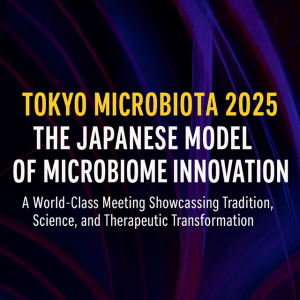
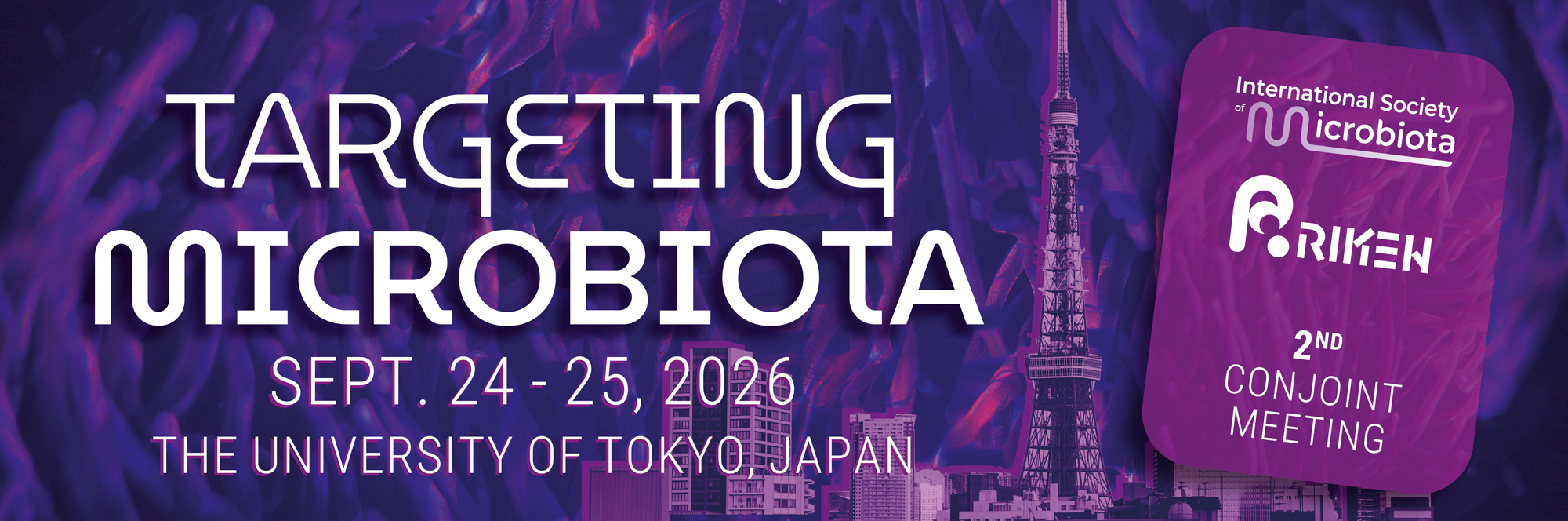
Second RIKEN-ISM Conjoint Meeting
Tokyo Microbiota 2026
September 24-25, 2026 – The University of Tokyo, Japan
www.tokyo.microbiota-ism.com