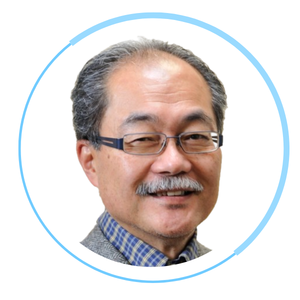
Prof. Hiroshi Ohno will deliver the Concluding remarks at the 2nd Joint RIKEN–ISM Targeting Microbiota 2026, taking place on September 24–25, 2026, at The University of Tokyo.
Speaker Year: 2026
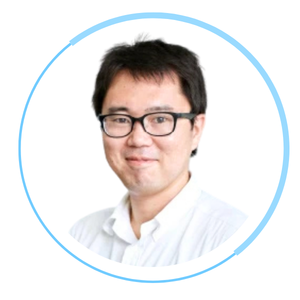
Resolving Microbial Drivers of Colorectal Cancer: From Population Signatures to Strain-level Resolution and Mutational Footprints
We are pleased to announce that Prof. Takuji Yamada from Institute of Science Tokyo, Japan will join Second Conjoint RIKEN – ISM 2026 as a speaker and give a presentation entitled “Resolving Microbial Drivers of Colorectal Cancer: From Population Signatures to Strain-level Resolution and Mutational Footprints“.
The gut microbiome has been repeatedly associated with colorectal cancer (CRC), yet identifying microbial signatures alone does not establish which bacteria actively contribute to tumorigenesis. Here, I will present our recent studies that progressively move from population-level microbiome signatures toward strain-level functional resolution and host genomic evidence of microbial exposure.
First, using integrated metagenomic, metabolomic, and quantitative PCR analyses of Japanese CRC cohorts, we identified microbial and metabolic features associated with early-onset CRC. These included disease-associated microbial species and functional factors such as virulence-related genes, highlighting the importance of resolving microbial functions beyond specieslevel associations. In particular, colibactin-producing bacteria emerged as a potential contributor to early-onset CRC.
Second, to experimentally investigate the functional consequences of strain diversity, we isolated bacterial strains from patients with early-stage CRC. Clinical isolates of CRC-associated bacteria, including Lancefieldella parvula, Schaalia odontolytica, and Solobacterium moorei, showed genomic differences from reference strains, and administration of a cocktail of patient-derived strains enhanced tumorigenesis in a CRC mouse model. These findings demonstrate that disease-associated phenotypes can depend on the specific strains present within a microbial community.
Finally, by integrating whole-genome sequencing of CRC tumors with fecal metagenomic profiles, we investigated the genomic consequences of microbial exposure in the host. Colibactin-associated mutational signatures, SBS88 and ID18, were detected as early clonal events in a substantial fraction of Japanese CRCs and were particularly prevalent in younger patients. These mutational footprints provide a historical record of microbial genotoxic activity that cannot necessarily be captured by microbiome profiling at the time of diagnosis.
Together, these studies illustrate how moving beyond population-level associations toward strain-level characterization, functional validation, and host genomic footprints can provide deeper insight into microbial contributions to colorectal carcinogenesis. Such multi-layered resolution will be essential for distinguishing microbial biomarkers from microbial drivers and for ultimately developing microbiome-based strategies for cancer prevention and intervention.
For more information about his talk:
News on LinkedIn
The 2nd RIKEN-ISM Conjoint Meeting
Tokyo Microbiota 2026
September 24-25, 2026 – The University of Tokyo, Japan
tokyo.microbiota-ism.com
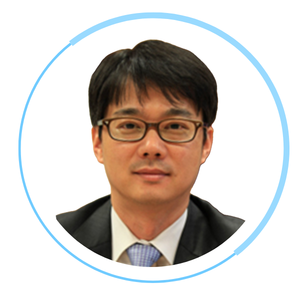
Development of Smart Biodelivery Systems for Personalized Disease Treatment Based on the Gut Microbiome
We are pleased to announce that Dr. GwangPyo Ko from The Seoul National University, Korea will join Second Conjoint RIKEN – ISM 2026 as a speaker and give a presentation entitled “Development of Smart Biodelivery Systems for Personalized Disease Treatment Based on the Gut Microbiome“.
Dr. GwangPyo Ko, Professor of Environmental Health Microbiology at Seoul National University, will present a creative new approach to treating intestinal inflammation: engineering the gut’s own bacteria to deliver therapeutics precisely where disease strikes.
During colitis, the gut microbiota undergoes dramatic shifts. Rather than viewing these changes as purely harmful, Dr. Ko’s team identified an opportunity: Phocaeicola vulgatus, a commensal bacterium that naturally expands in inflamed gut tissue in both humans and mice while remaining nonpathogenic. By engineering this inflammation-enriched resident to secrete anti-inflammatory proteins directly at disease sites, his team has created a living drug delivery system that works with the body’s own microbial ecology rather than against it.
This presentation offers a glimpse into the future of microbiome medicine: ecologically grounded, precision-targeted living therapeutics that harness the gut’s own adaptive biology to treat chronic inflammatory disease.
For more information about his talk:
News on LinkedIn
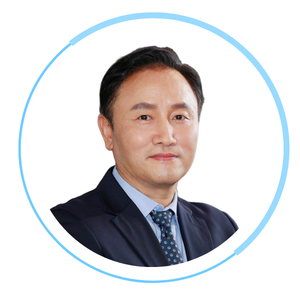
Precision Microbiome Therapeutics to Enhance Cancer Immunotherapy
We are pleased to announce that Dr. Sin-Hyeog Im from Pohang University of Science and Technology, Korea will join Second Conjoint RIKEN – ISM 2026 as a speaker and give a presentation entitled “Precision Microbiome Therapeutics to Enhance Cancer Immunotherapy“.
Dr. Sin-Hyeog Im, a leading expert in immunology and microbiome research, will discuss how precision microbiome therapeutics can reshape cancer immunotherapy by harnessing the complex interactions between gut microbiota and the host immune system.
Our immune system maintains homeostasis through a delicate balance between active immunity and tolerance, governed by the coordinated interaction of genetic factors and environmental cues, including intestinal microbiota. Dysregulation of commensal flora is closely linked to immune disorders, neurological conditions, and metabolic syndromes, and it significantly influences varied responses to immune checkpoint inhibitors targeting PD-L1/PD-1 and CTLA-4. Candidates for microbiome therapy include bioactive metabolites, cellular components, and live biotherapeutic products (LBPs).
During his talk, Sin-Hyeog Im will present AvatiomeTM, an innovative platform screening system that mimics the human body’s immune system and microbiome, integrating immunophenotyping, single-cell transcriptomics, and artificial intelligence to identify immunostimulatory microorganisms. He will discuss the discovery of IMB001, a candidate with anti-cancer activity, and the underlying mechanisms of its effector molecules across diverse pre-clinical models, as well as their potential therapeutic applications.
This presentation, positioned at the intersection of biotechnology innovation and microbiota-based therapies, aligns with Session 4: Therapeutic Interventions for Healthy Aging. It links precision probiotics, metabolite therapeutics, microbiota-driven metabolic interventions, and startup-led biotech innovation to highlight practical approaches for enhancing systemic health and resilience.
For more information about his talk:
News on LinkedIn
The 2nd RIKEN-ISM Conjoint Meeting
Tokyo Microbiota 2026
September 24-25, 2026 – The University of Tokyo, Japan
tokyo.microbiota-ism.com
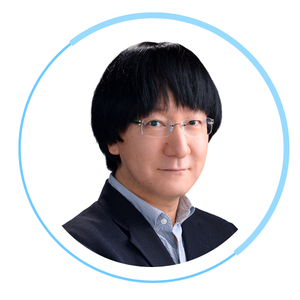
Strain and Function-Resolved Metagenomics to Identify Microbial Drivers of Chronic Disease
We are pleased to announce that Dr. Wataru Suda from RIKEN Center for Integrative Medical Sciences (IMS), Japan will join Second Conjoint RIKEN – ISM 2026 as a speaker and give a presentation entitled “Strain and Function-Resolved Metagenomics to Identify Microbial Drivers of Chronic Disease“.
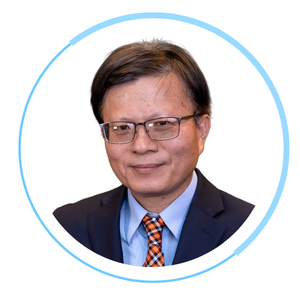
Carotenoid Metabolism Regulates the Microbiota–Mitochondria Axis: From Diet to Single-Cell Heterogeneity
We are pleased to announce that Dr. Dingbo Lin from Oklahoma State University, USA will join Second Conjoint RIKEN – ISM 2026 as a speaker and give a presentation entitled “Carotenoid Metabolism Regulates the Microbiota–Mitochondria Axis from Diet to Single-Cell Heterogeneity“.
Dr. Dingbo Lin, the John and Sue Taylor Professor of Nutrition at Oklahoma State University, will present new evidence on how carotenoid metabolism shapes communication between the gut microbiome and mitochondrial function, with important implications for metabolic health and disease prevention.
Using mouse models with disrupted carotenoid metabolism via β-carotene oxygenase 2 (BCO2) knockout, Dr. Lin’s team has shown that astaxanthin supplementation significantly remodels gut microbiota composition, enriching beneficial species such as Akkermansia muciniphila, while reducing key inflammatory markers, including NLRP3 inflammasome activation. These microbial shifts are accompanied by mitochondrial remodeling, including altered respiratory supercomplex assembly and redox balance.
This presentation highlights the microbiota – mitochondria axis as a critical interface between nutrition and metabolic resilience, offering fresh perspectives on how dietary bioactives may be harnessed to prevent obesity, diabetes, and immune-related conditions.
The 2nd RIKEN-ISM Conjoint Meeting
Tokyo Microbiota 2026
September 24-25, 2026 – The University of Tokyo, Japan
tokyo.microbiota-ism.com
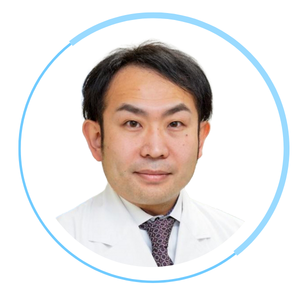
Engineering Mitochondrial Stress Tolerance through Mitochondria-Targeted Nanocapsules: Perspectives on the Microbiota–Mitochondria Axis
Prof. Yuma Yamada from Hokkaido University, Japan, will present his recent research at the 2nd RIKEN-ISM Conjoint Meeting — Tokyo Microbiota 2026, taking place on September 24–25, 2026 in Tokyo, Japan. His talk, entitled Engineering Mitochondrial Stress Tolerance through Mitochondria-Targeted Nanocapsules: Perspectives on the Microbiota–Mitochondria Axis, explores the emerging links between mitochondrial biology and the microbiota.
Yuma Yamada is Professor at the Faculty of Pharmaceutical Sciences, Hokkaido University. He received his PhD in Pharmaceutical Sciences from Hokkaido University in 2008 and was appointed Professor in 2023. His research focuses on pharmaceutics, especially mitochondria-targeted and drug delivery systems (DDS). He developed the MITO-Porter, a membrane-fusion-based nano capsule for mitochondrial delivery of bioactive molecules, and has applied this platform to mitochondrial gene therapy, oxidative stress control, cancer therapy, and cell therapy. He has received several awards, including the Ebert Prize Award and major Japanese awards in pharmaceutical sciences, DDS, nucleic acid therapeutics, and mitochondrial research.
Mitochondria are central organelles that determine cellular responses to metabolic, oxidative, and inflammatory stresses. In the context of the microbiota–mitochondria axis, microbiota-derived metabolites and inflammatory cues are increasingly recognized as important extrinsic factors that influence mitochondrial function and cellular resilience. Therefore, technologies that can deliver bioactive molecules directly to mitochondria provide a powerful strategy to modulate mitochondrial function and enhance cellular stress tolerance. Our laboratory has developed mitochondria-targeted nanocapsules, including the MITO-Porter, a lipid-based nano capsule designed to deliver cargoes to mitochondria via membrane fusion with mitochondrial membranes. This platform allows mitochondrial delivery of a wide range of molecules that are difficult to introduce by conventional targeting strategies, including small molecules, antioxidants, nucleic acids, and higher-order molecular assemblies. In this lecture, I will summarize our efforts to engineer mitochondrial function using mitochondria-targeted drug delivery systems. First, I will introduce the concept of MITO-Porter and its membrane-fusion-based delivery mechanism. I will then discuss applications in the regulation of mitochondrial oxidative stress, mitochondrial RNA/nucleic acid delivery for controlling mitochondrial gene expression, and the generation of mitochondria-activated therapeutic cells, termed MITO Cells. I will also introduce our recent e-MITO concept as an emerging strategy for controlling mitochondria-related cellular phenotypes. Finally, I will discuss how mitochondrial nanomedicine may contribute to cellular resilience, stress tolerance, and future therapeutic strategies for aging-associated mitochondrial dysfunction, with particular emphasis on how mitochondrial-side interventions may complement studies of microbiota-driven regulation of host physiology.
For more information about his talk:
News on LinkedIn
The 2nd RIKEN-ISM Conjoint Meeting
Tokyo Microbiota 2026
September 24-25, 2026 – The University of Tokyo, Japan
www.tokyo.microbiota-ism.com
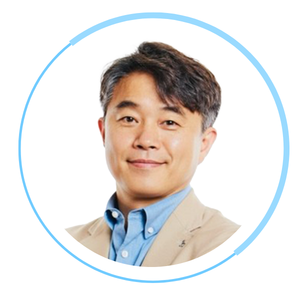
Living Probiotics, Microbial Metabolites, and Mitochondrial Resilience: A Pathway to Healthy Aging
We are pleased to announce that Prof. Dongryeol Ryu from Gwangju Institute of Science and Technology (GIST), Korea, will join Second Conjoint RIKEN – ISM 2026 as a speaker and give a presentation entitled Living Probiotics, Microbial Metabolites, and Mitochondrial Resilience: A Pathway to Healthy Aging.
Prof. Dongryeol Ryu leads the Molecular and Integrative Biology (MIB) Lab at GIST, will discuss how microbiota-derived metabolites directly enhance mitochondrial resilience and promote healthy aging, positioning the gut microbiome as a source of bioactive compounds that sustain mitochondrial quality control and delay age-associated functional decline.
Mitochondrial decline is a hallmark of aging, driving sarcopenia, metabolic dysfunction, and systemic frailty. Prof. Ryu’s work sits at the convergence of microbiome science and mitochondrial biology, demonstrating that specific microbial metabolites can activate endogenous protective pathways to counteract this decline.
During his talk, he will present a two-part framework. First, he will summarize recent advances in Urolithin A (UA), a microbiota-derived metabolite that has emerged as a leading example of translational microbiome therapeutics for aging and muscle health. Second, he will introduce his group’s recent work on 3-phenyllactic acid (PLA), a metabolite produced by Lactiplantibacillus plantarum, which shows translational relevance in patients with sarcopenia. Finally, he will share ongoing efforts to identify next-generation microbiota-derived metabolites that may further expand the therapeutic landscape for healthy aging and systemic resilience.
For more information about his talk:
News on LinkedIn
The 2nd RIKEN-ISM Conjoint Meeting
Tokyo Microbiota 2026
September 24-25, 2026 – The University of Tokyo, Japan
tokyo.microbiota-ism.com
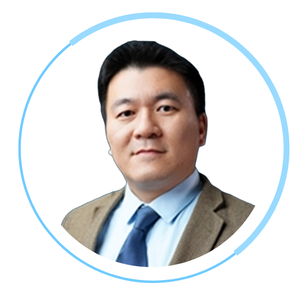
Single-Cell Ramanomics Platform Enables Rapid Probiotic Quality Assessment and Strain Traceability
We are pleased to announce that Dr. Jian Xu from Qingdao Institute of BioEnergy and Bioprocess Technology, China will join Second Conjoint RIKEN – ISM 2026 as a speaker and give a presentation entitled “Single-Cell Ramanomics Platform Enables Rapid Probiotic Quality Assessment and Strain Traceability“.
Dr. Jian Xu, Founding Director of the Single-Cell Center at CAS-QIBEBT, a pioneer in single-cell metabolic phenomics and inventor of the Ramanomics Instrument Series, will discuss how a novel culture-free, single-cell-resolution strategy can transform the quality assessment of probiotics and live-cell products for the rapidly expanding industry.
The rapid growth of the probiotics market demands fast, sensitive, comprehensive, and low-cost quality assessment strategies. To address this challenge, Dr. Xu and his team have developed SCIVVS (Single-Cell Identification, Viability and Vitality tests, and Source-tracking). SCIVVS enables probiotic species-level identification, while simultaneously quantifying viability, metabolic vitality, and intercellular heterogeneity.
Framed at the intersection of biotechnology innovation and precision probiotic assessment, this presentation aligns closely with the themes of the Innovation Symposium within Session 4: Therapeutic Interventions for Healthy Aging, bridging precision probiotics, microbiota-driven therapeutic interventions, and cutting-edge biotechnology innovation to advance reliable and scalable live-cell therapeutic strategies.
For more information about his talk:
News on LinkedIn
The 2nd RIKEN-ISM Conjoint Meeting
Tokyo Microbiota 2026
September 24-25, 2026 – The University of Tokyo, Japan
tokyo.microbiota-ism.com
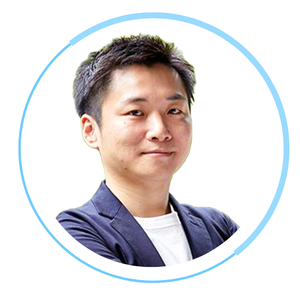
From Strain Diversity to Mobile Element Dynamics in Human Microbiomes with Single-Cell Genomics
We are pleased to announce that Dr. Masahito Hosokawa from Waseda University, Japan will join Second Conjoint RIKEN – ISM 2026 as a speaker and give a presentation entitled “A single amplified genome catalog reveals the dynamics of mobilome and resistome in the human microbiome“.
Masahito Hosokawa, Professor at Waseda University and co-founder of bitBiome, Inc., will present how single-cell genomics is transforming our ability to decode strain-level complexity within human microbiomes and track the spread of antibiotic resistance.
The human microbiome harbors vast within-species diversity that shapes how resistance genes and mobile genetic elements move through microbial communities. Yet linking these elements to their specific bacterial hosts has remained a major challenge. Dr. Hosokawa’s work solves this by applying high-throughput single-cell genome sequencing to recover strain-resolved genomes directly from gut and skin microbiomes, creating an unambiguous connection between mobile elements and their host bacteria.
He will introduce frameworks that integrate single-cell genomics with metagenomics and long-read sequencing, and present a single-amplified genome catalog that enables systematic characterization of mobilome and resistome dynamics across microbial communities.
This talk demonstrates how single-cell genomics moves microbiome science from broad community profiling to precise, strain-level biological insight, laying the groundwork for more targeted microbiome interventions.
For more information about his talk:
News on LinkedIn
The 2nd RIKEN-ISM Conjoint Meeting
Tokyo Microbiota 2026
September 24-25, 2026 – The University of Tokyo, Japan
tokyo.microbiota-ism.com