Butyrate, the Gut Barrier, and Healthy Aging: When Microbiome Metabolites Rescue Mitochondrial Decline


A new study led by María Mittelbrunn (Universidad Autónoma de Madrid / CBM-CSIC) suggests that butyrate, a short-chain fatty acid produced by gut microbes, can delay multi-organ decline and extend survival in mouse models of systemic mitochondrial dysfunction.

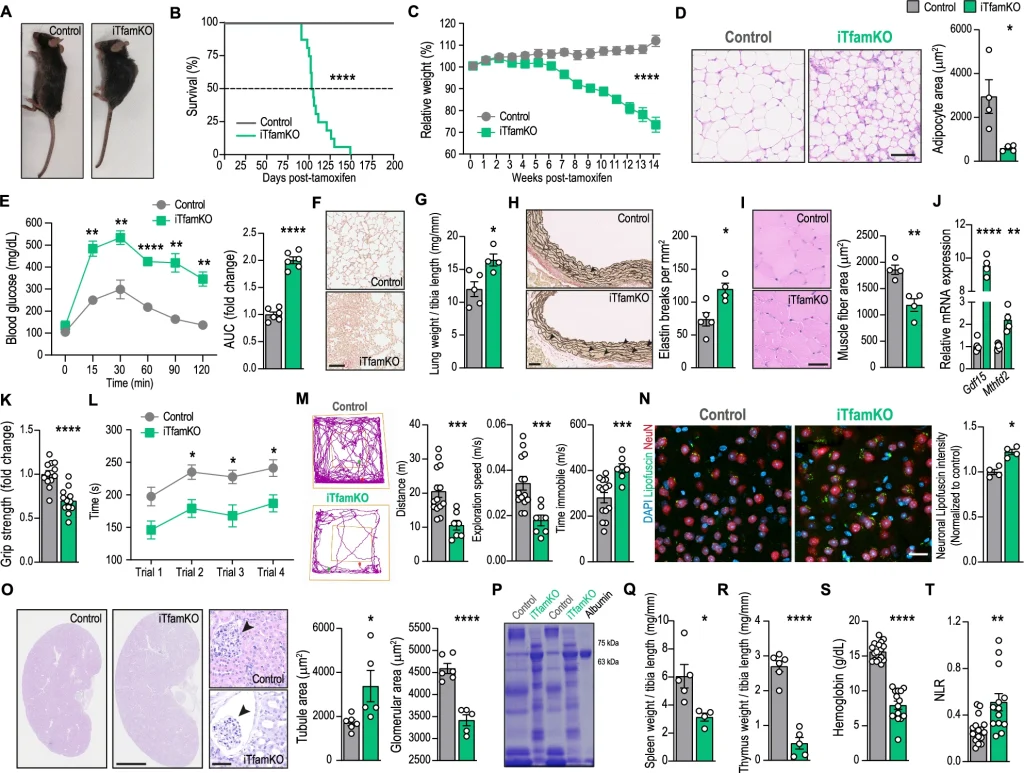
Mitochondria are central to metabolism and tissue maintenance. When mitochondrial function collapses, organisms often develop multisystem disease affecting muscle, kidney, metabolic control, and the nervous system. In this study, the authors created an inducible mouse model of systemic mitochondrial failure by deleting TFAM, a key factor required for mitochondrial DNA maintenance (iTfamKO mice), which developed severe multimorbidity and premature death.

One of the most striking findings is that mitochondrial decline was accompanied by a breakdown in gut homeostasis: iTfamKO mice showed intestinal barrier disruption and gut dysbiosis, along with a systemic drop in microbiota-derived metabolites.

The intervention results are what make this work particularly compelling. The authors report that restoring a healthier microbiota (via fecal microbiota transfer from healthy mice) partially restored SCFA levels and was associated with a major extension in maximum lifespan in the iTfamKO model. They then tested a more targeted approach: tributyrin, a dietary precursor of butyrate. Tributyrin supplementation increased fecal butyrate, delayed features of multimorbidity (including loss of strength and impaired glucose handling), improved kidney-related readouts, and extended median lifespan in mice.

Mechanistically, butyrate replenished epigenetic histone acylation marks that were reduced in the intestine during mitochondrial deficiency, and it partially restored gene-expression programs tied to barrier integrity and intestinal homeostasis. Together, the data frame butyrate not as a simple biomarker, but as a plausible causal mediator in a gut–mitochondria axis that influences systemic resilience.

While these findings come from mouse models of mitochondrial disease, they sharpen an idea increasingly relevant to healthy aging research: maintaining metabolic resilience may depend on preserving host–microbiota symbiosis and the metabolite signals that connect the gut to whole-body physiology.

Read the full article here

Reference: Gabandé-Rodríguez, E., Gómez de las Heras, M.M., Ramírez-Ruiz de Erenchun, P. et al. Butyrate extends health and lifespan in mice with mitochondrial deficiency. Nat Commun 17, 3909 (2026).

Read the news on LinkedIn
Microbiome Interventions May Slow Cognitive Aging in More Than 4,200 Individuals

Large-scale human analysis links gut microbiota modulation to improved memory and cognitive performance, opening new strategies for brain health during aging

A recent systematic review published in Neuroscience & Biobehavioral Reviews examined the relationship between gut microbiota modulation and cognitive decline in aging populations. Conducted by Elena Sandri, the study analyzed 15 clinical and interventional studies involving 4,275 participants, making it one of the most comprehensive human evaluations of microbiota-based strategies for cognitive health.

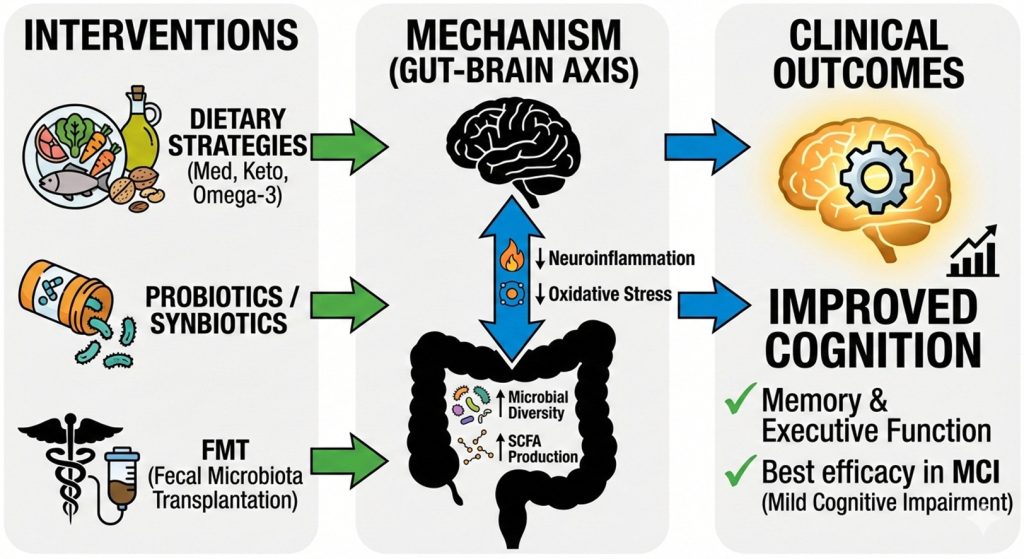
Across diverse populations, interventions targeting the gut microbiota—including probiotics, dietary modification, and fecal microbiota transplantation—were associated with measurable improvements in cognitive performance, particularly in individuals with early cognitive impairment. These effects were linked to increased microbial diversity, enhanced production of short-chain fatty acids, and reduced neuroinflammation.

The inclusion of more than 4,200 participants strengthens the clinical relevance of these findings. The analysis suggests that modifying the gut microbiome may represent a modifiable biological pathway influencing cognitive aging, rather than cognitive decline being an irreversible neurological process.

These results reinforce the growing recognition of the gut–brain axis as a central regulator of brain health. By influencing immune signaling, metabolic pathways, and neuronal communication, microbiota-targeted interventions may support memory and cognitive function during aging.

The study highlights a key perspective for future research and clinical practice: preserving cognitive health may involve targeting the gut microbiome as part of preventive and precision medicine approaches for aging populations.


For more Information Click here

A surprising microbiome finding could reshape how we think about fertility and reproductive aging.

A new study published in Nature Aging shows that fecal microbiota transplants from older female mice improved ovarian function and fertility in younger mice.

The research was led by Dr. Bérénice Benayoun (senior author) at the USC Leonard Davis School of Gerontology, with Dr. Min Hoo Kim as first author.

Key findings from the study:

  •  Young mice receiving microbiota from older “estropausal” mice showed improved ovarian health markers, including hormone levels and follicle counts.
  • Reproductive outcomes improved: all mice receiving the older microbiome produced offspring.
  • Molecular analysis suggested reduced inflammation and ovarian gene expression patterns resembling younger tissue profiles. (USC Leonard Davis School of Gerontology)

The findings highlight a potential two-way communication between the gut microbiome and the ovaries, raising the possibility that microbiome modulation could eventually influence fertility or reproductive aging.

Important caveat: these results are currently limited to mouse models.

During ISM 2026 we will discuss about this hot topic.

For More info

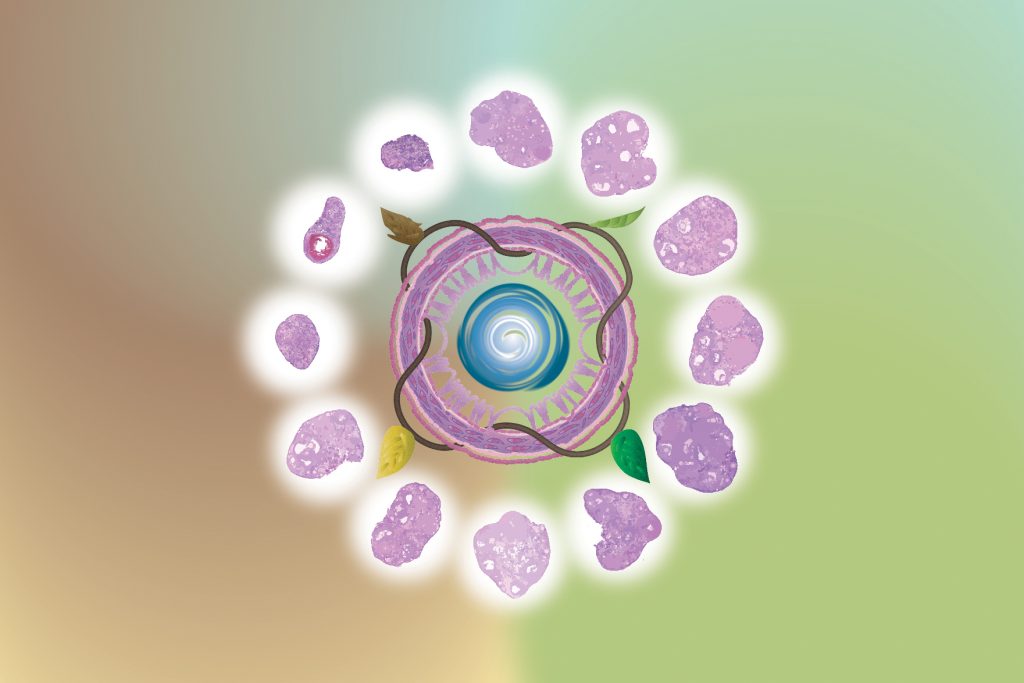
About the image: 

The surprising findings shed light on the little-known relationship between the microbiome and the reproductive system. Greater understanding could lead to better treatment options not only for fertility but also for overall health as women age.

Copyright: USC Leonard Davis

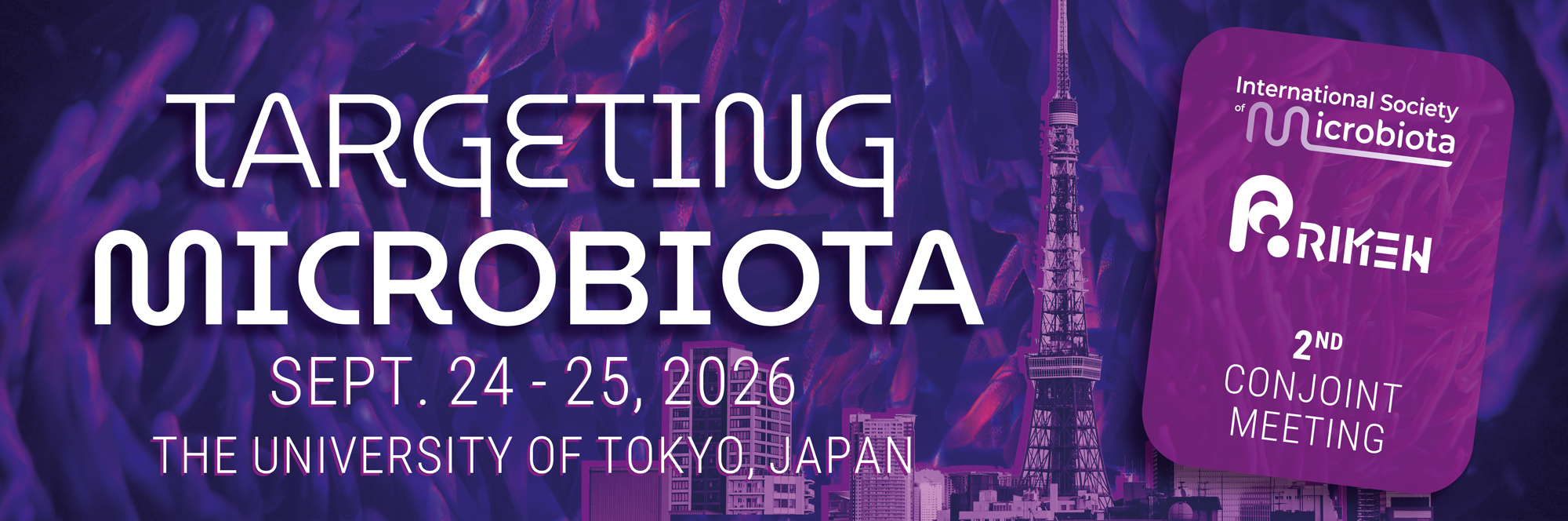
The University of Tokyo will host the Second Conjoint RIKEN – ISM 2026 Meeting

The University of Tokyo will serve as host city for the Second Conjoint Meeting between the International Society of Microbiota (ISM) and RIKEN, scheduled for September 24–25, 2026. Building on the momentum of the inaugural RIKEN-ISM meeting, which drew researchers, clinicians, and innovators from dozens of countries, this second edition promises to be an even broader and more impactful gathering for the global microbiome community.

At the heart of the meeting is its unique ability to unite scientists across disciplines. By bridging fundamental biology, clinical research, nutrition, biotechnology, and innovation, the event aims to forge a shared scientific language around microbial ecosystems and their role in human health. Researchers working at the bench will sit alongside clinicians, industry scientists, and entrepreneurs, a combination organisers believe is essential to accelerating progress in microbiome medicine.

What’s on the Programme?

The 2026 scientific programme will spotlight some of the most pressing frontiers in microbiota research. Key themes include host–microbiota interactions, microbial metabolites as mediators of host health, precision probiotics, and the emerging field of microbiome medicine. A dedicated focus will also be placed on the contribution of microbiota science to healthy aging, a topic of growing urgency worldwide.

Japan’s own scientific heritage adds a distinctive layer to the programme. The meeting will spotlight the country’s centuries-old expertise in fermentation science, its leading role in probiotic strain discovery, and its vibrant culture of microbial innovation, a fitting backdrop for an event of this calibre.

RIKEN and ISM have stated their ambition to make the meeting not only scientifically rigorous but also original and impactful, fostering genuine dialogue, new collaborations, and fresh perspectives on the microbiome’s role in medicine and beyond. Registration and further details are expected to be announced through the official ISM and RIKEN channels in the coming months.

Source: International Society of Microbiota — Second Conjoint Meeting ISM-RIKEN

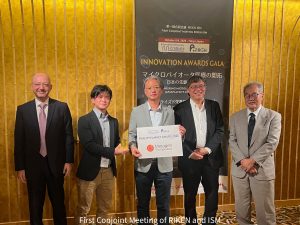
Tokyo Microbiota 2025 Recognizes Excellence in Science, Health Impact, and Innovation

Tokyo Microbiota 2025 celebrated outstanding contributions to microbiota research through its Scientific Awards, Healthy Impact Awards, and Innovation Awards, highlighting progress from fundamental science to clinical and industrial innovation.

Scientific Awards
The Scientific Awards honored academic excellence and scientific rigor across diverse areas of microbiota research, including host–microbe interactions, immune regulation, metabolism, and translational microbiology:
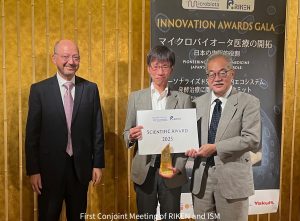
• Hiroshi Ohno (RIKEN), for pioneering work in mucosal immunology and host–microbiota interactions
• Naoko Ohtani (Osaka Metropolitan University), for innovative studies linking microbiota function to metabolic and physiological regulation
• Kiyoshi Takeda (Osaka University), for mechanistic insights into immune–microbiota crosstalk
• Alain Stinzi (University of Ottawa), for advancing translational and comparative microbiota research
• Masayuki Amagai (RIKEN & Keio University School of Medicine), for bridging fundamental microbiology with clinical investigation

Healthy Impact Awards
The Healthy Impact Awards recognized initiatives with clear relevance to human health and clinical application:
• Metagen Therapeutics, represented by Hikaru Watanabe, for microbiota-based therapeutic development
• Meiji, for long-standing contributions to nutrition and gut health research
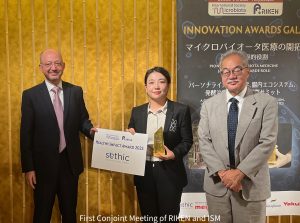
• Sethic, represented by Kim Jing, for clinically oriented microbiota solutions
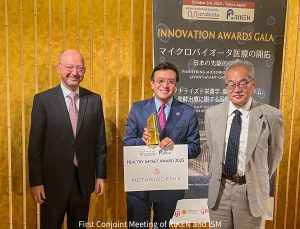
• Metabiogenix, represented by Mario Acosta, for translational approaches in microbiome medicine
• Glico, for innovation in glycobiology and microbiota-related health applications

Innovation Awards
The Innovation Awards highlighted companies driving applied innovation in microbiota science and related technologies:
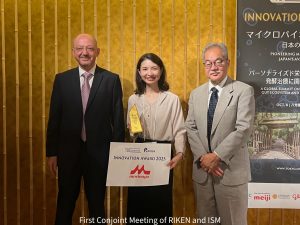
• Morinaga, represented by Akari Hiraku, for innovation in functional foods and microbiota-supporting nutrition
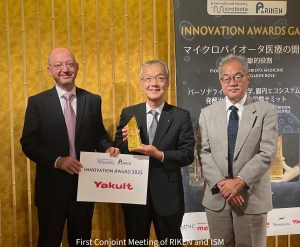
• Yakult, represented by Osamu Chonan, for leadership in probiotic research and consumer health applications
• Freda, represented by Yang Su-Zhen, for developing microbiota-informed health products
• Ninapharm, represented by Sawako Hibino, for collaborative innovation in microbiota-based therapeutic development

Together, these awards reflect the strength of the microbiota ecosystem showcased in Tokyo, emphasizing scientific excellence, health impact, and innovation across academia and industry.

Tokyo Microbiota 2025 Concluding Remarks: Advancing Microbiota Research into Medicine – Japan’s Contributions to Mechanism, Translation, and Clinical Impact

Over the course of this meeting, one message has emerged with clarity: microbiota research in Japan has reached a level of scientific maturity characterized by mechanistic depth and growing clinical relevance. The work presented here reflects not only technical excellence, but also a sustained effort to connect fundamental microbiology with medical application.

Japanese research groups have shown strong leadership in moving beyond descriptive microbiome studies toward functional and causal understanding. Across sessions, investigators addressed how microbial communities influence host metabolism, immune regulation, ageing, and disease susceptibility, using integrated strategies that combine multi-omics technologies, experimental models, and well-characterized human cohorts. This mechanistic focus represents a critical step for the field.

A defining feature of this meeting has been its clinical orientation. Several contributions focused on patient-centered research, including longitudinal cohort studies, interventional trials, and the identification of microbiota-derived biomarkers. These approaches illustrate how microbial functions and metabolites are increasingly evaluated not only as biological readouts, but as tools for diagnosis, risk stratification, and therapeutic development.

Japan’s long-standing expertise in microbial science, nutrition, and fermentation provides a strong foundation for these advances. What is particularly evident is how this foundation is being translated into contemporary clinical frameworks, including precision medicine and preventive healthcare. Productive interactions between academic research, clinical practice, and industry have been a recurring theme throughout the program.

At the same time, discussions have highlighted challenges that will shape the next phase of microbiota-based medicine, including standardization, reproducibility, population-specific variability, and regulatory considerations. Addressing these issues will require sustained interdisciplinary collaboration and coordinated international efforts.

In conclusion, this meeting has provided a clear view of the current state and future direction of microbiota science. The contributions presented here underscore Japan’s central role in advancing microbiota research into medicine, with implications extending to global clinical practice. We thank RIKEN and the International Society of Microbiota (ISM) for this excellent initiative, which has successfully built a bridge between Japanese scientific leadership and the international microbiota community, enabling meaningful exchange and future collaboration.

Tokyo to Host the World’s Leading Microbiota Innovation Awards 2025

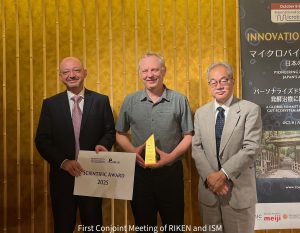
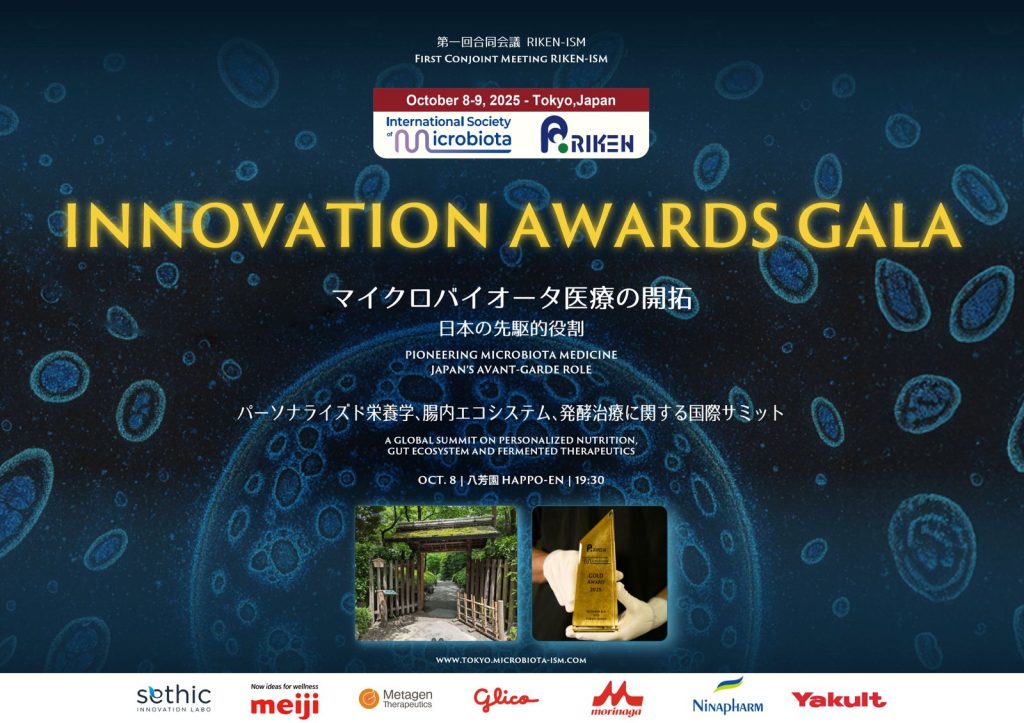
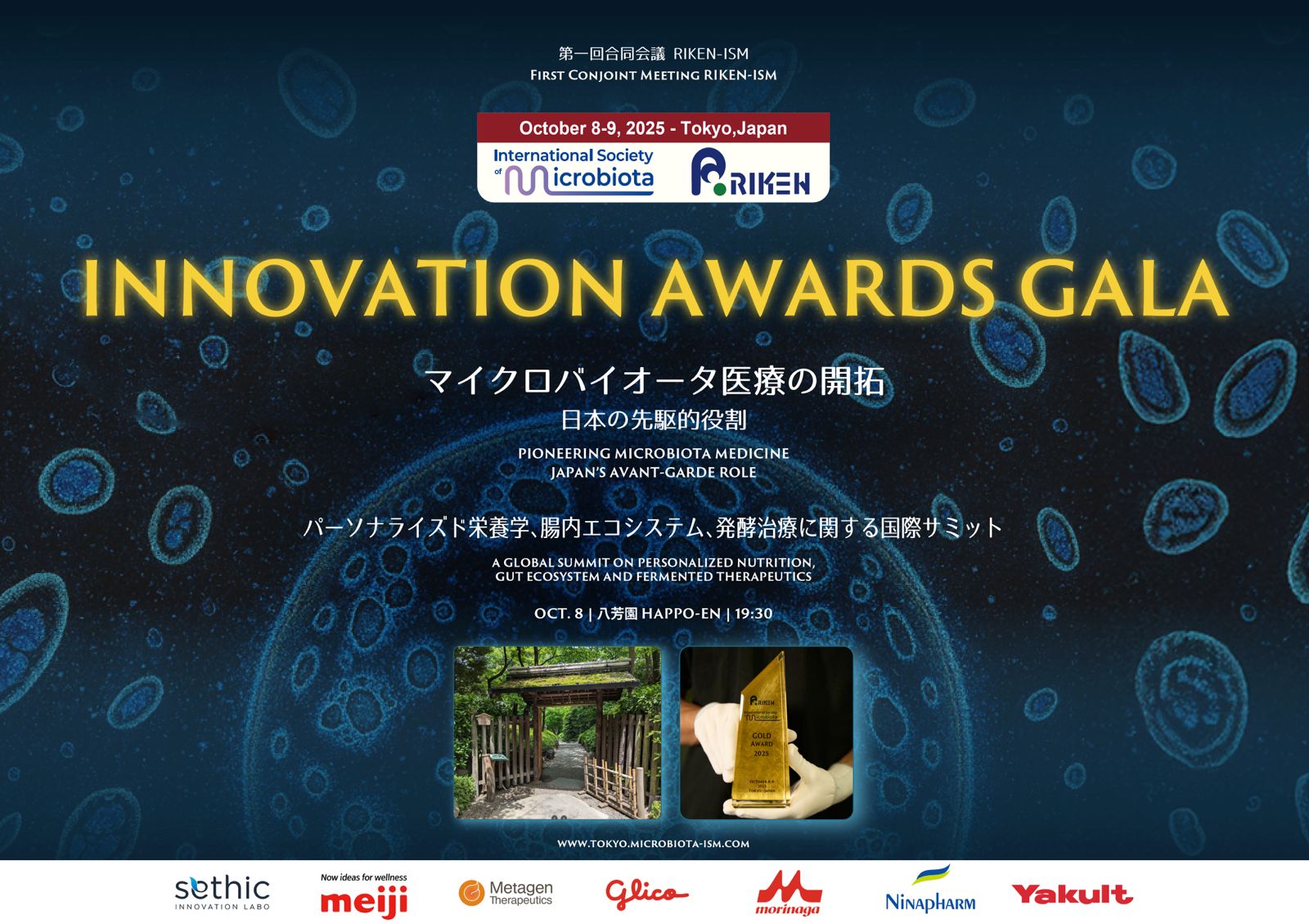
The International Society of Microbiota (ISM) and RIKEN will host the prestigious Innovation Awards Gala during the First Conjoint Meeting ISM – RIKEN, set to take place at the iconic Happo-en, one of Tokyo’s most celebrated venues. 

This unique event will unite the world’s top scientists, clinicians, biotech innovators, and industry leaders to shape the future of microbiota-based health solutions.

The Innovation Awards Gala celebrates excellence in microbiota science, technology, and clinical translation.

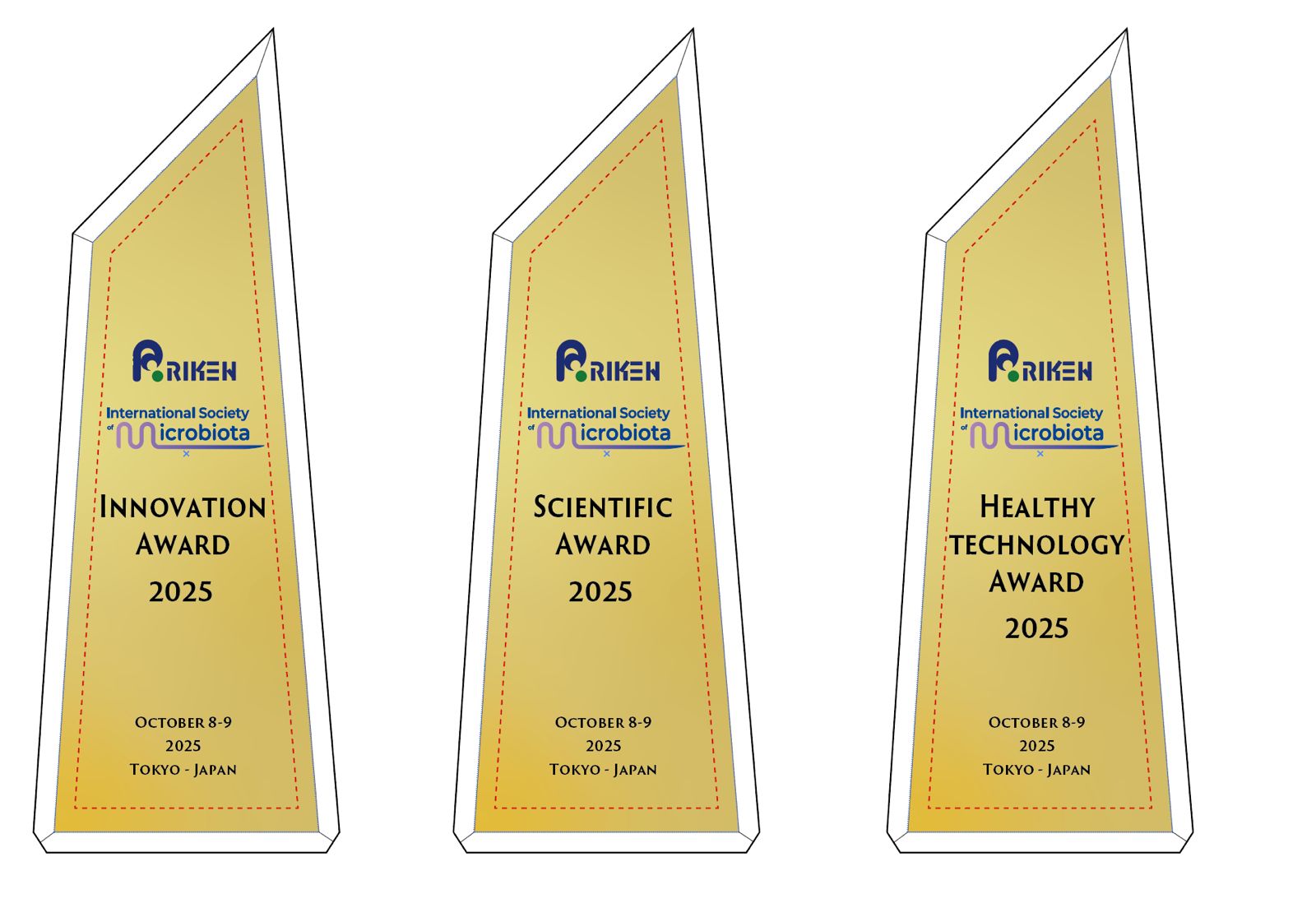
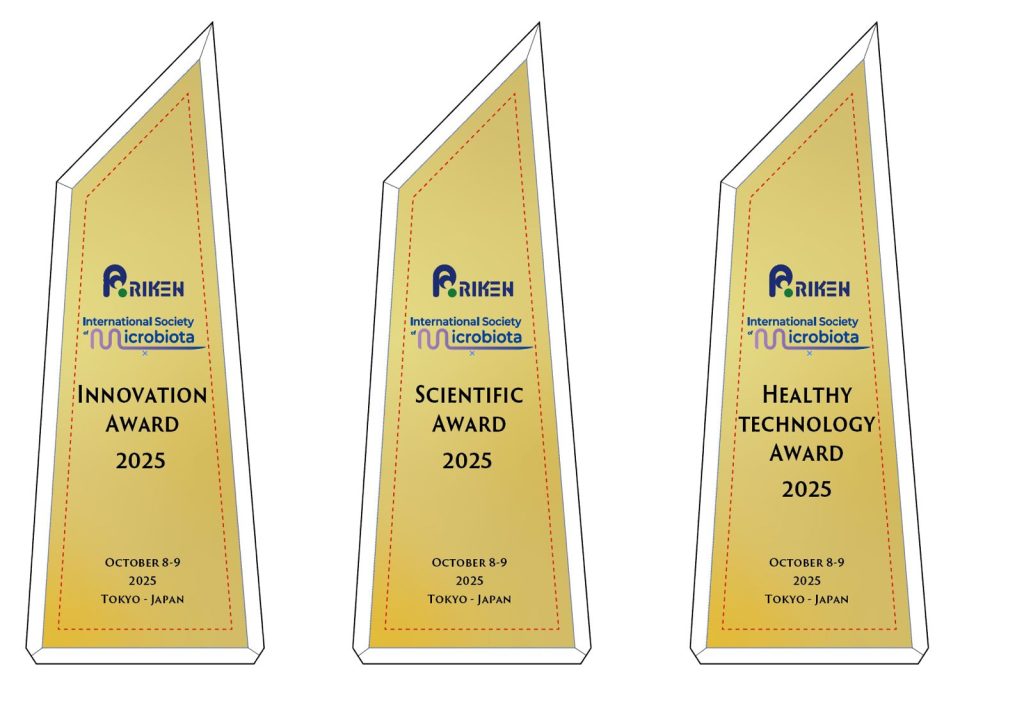
Three international distinctions will be presented:

  • Innovation Award 2025 – honoring disruptive breakthroughs bringing microbiota research to real-world impact
  • Scientific Award 2025 – rewarding outstanding fundamental or translational research
  • Healthy Technology Award 2025 – celebrating cutting-edge health solutions powered by microbiota innovation

Final Call for nomination: Submit your project

Nominations close Tuesday, October 7, 2025. Researchers, start-ups, and companies are invited to submit their project proposals now to compete for these prestigious international awards.

Industry Pioneers Already Nominated

The 2025 awards have already attracted leading innovators driving microbiota-based health solutions, including: Morinaga • Yakult • Meiji • Metagen Therapeutics • Glico • Sethic Innovation Labo

Their early participation confirms the strong industrial momentum behind microbiota innovation, bridging academic discovery, translational science, and market-ready technologies.

Submit Your Project

To nominate your work for the Innovation, Scientific, or Healthy Technology Awards 2025, submit your project now by sending email to [email protected]

Innovation Award Gala Dinner

Join us for an elegant Gala Dinner on October 8th at the prestigious HAPPO-EN Restaurant, one of Tokyo’s most renowned venues. This exclusive evening presents an excellent opportunity to network in a relaxed and sophisticated atmosphere with our distinguished speakers and generous sponsors.

Over exquisite cuisine and fine beverages, you’ll have the chance to:

  • Engage in meaningful conversations with industry leaders and keynote speakers
  • Build valuable connections with event sponsors and partners
  • Exchange ideas and insights in an intimate setting
  • Foster relationships that extend beyond the conference

The Gala Dinner provides the perfect environment to deepen professional relationships and create lasting connections with peers, thought leaders, and industry influencers. Don’t miss this exceptional networking experience at one of the evening’s most anticipated events.

Transportation will be provided to HAPPO-EN from the congress venue.

HAPPO-EN,
1-1-1 Shirokanedai, Minato-ku, Tokyo 108-863
https://happo-en.com/?wovn=en

Please follow this link to register.

Japan Takes Center Stage in Microbiota Innovation


Tokyo to Host Global Summit Showcasing the Nation’s Leadership in Fermentation Science and Microbiome Medicine

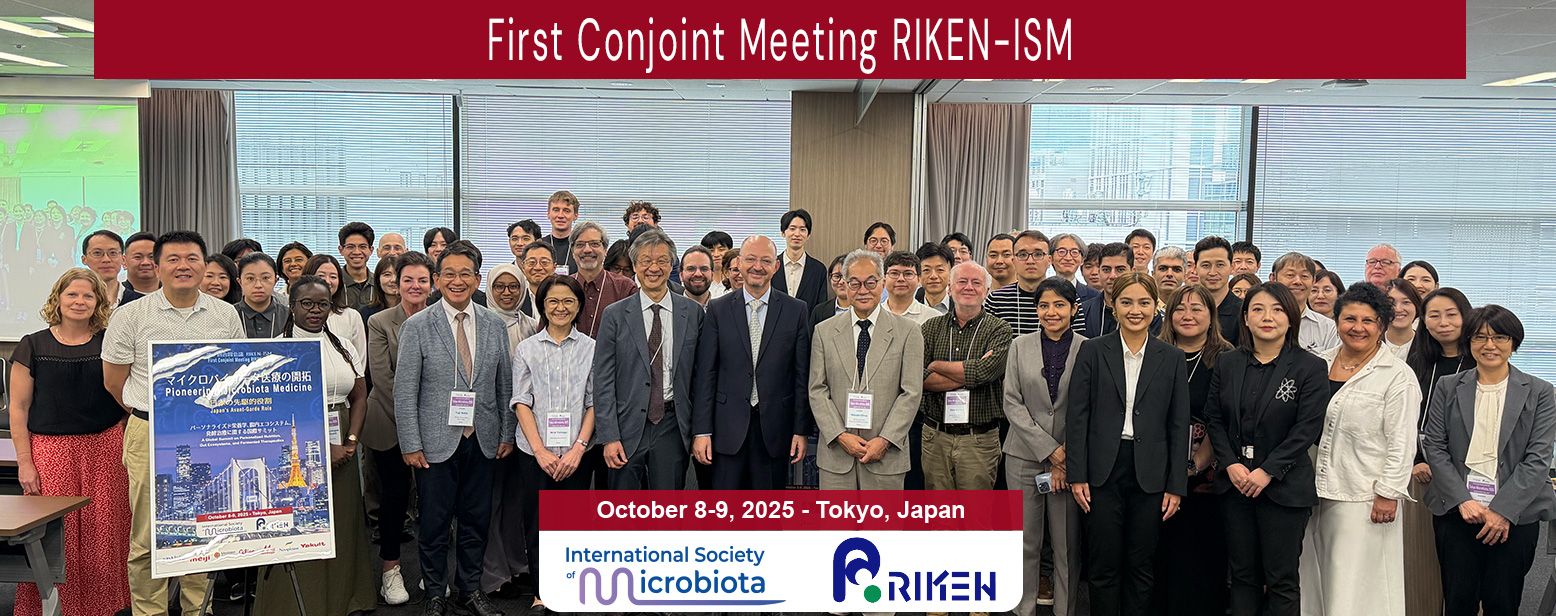
Japan is reinforcing its position as a global powerhouse in microbiota research and fermentation science, as the country prepares to host the First Conjoint Meeting ISM–RIKEN – Targeting Microbiota this October in Tokyo.

Long recognized for its centuries-old Fermentation Traditions and groundbreaking advances in gut-related health sciences, Japan has become a trailblazer in the therapeutic application of microbiome knowledge. Its unique integration of ancestral fermentation practices with cutting-edge microbiome technologies has positioned it at the forefront of personalized nutrition, microbial diagnostics, and next-generation therapeutics.

Japan has been a pioneer in microbiota research, with its leadership rooted in a rich cultural and scientific heritage. For over a century, Japan has excelled in the study of fermentation processes, probiotics, and their profound impacts on human health and well-being. Traditional practices, such as the production of miso, natto, and sake, have served as the foundation for modern microbiota research, offering unique insights into the role of beneficial microbes in maintaining health and longevity. Japanese researchers have consistently been at the forefront of discovering and applying microbial strains to enhance gut health, develop innovative therapies, and address global health challenges.

The upcoming ISM–RIKEN meeting will serve as a strategic global platform to spotlight Japan’s leadership in this field. The agenda includes pioneering research on the gut–brain, gut–immune, and gut–skin axes, as well as sessions on fermented functional foods, autoimmunity, aging, longevity, and clinical microbiome innovation.

“Japan has a long and profound relationship with microbial ecosystems—both scientifically and culturally. Hosting this meeting at RIKEN is not only an honor but a recognition of Japan’s role as a bridge between tradition and biomedical innovation,” said Dr. Hiroshi Ohno, RIKEN Center for Integrative Medical Sciences, President of the Local Organizing Committee.

“Japan’s approach is a rare blend of deep-rooted cultural knowledge and scientific precision,” added Dr. Marvin Edeas, founder of the International Society of Microbiota. “The country is setting the gold standard for how microbial ecosystems can be understood and leveraged for human health.”

Attendees from academia, industry, and healthcare sectors will gather to explore new data, share breakthroughs, and foster collaborations. 

Market Giants Join Forces to Shape the Future of Microbiome Science

With the backing of major Japanese health and nutrition companies—Yakult, Meiji, Morinaga, and Glico—the event is expected to generate actionable insight and catalyze new waves of microbiome-based therapies worldwide.

Event: First Conjoint Meeting ISM–RIKEN – Targeting Microbiota
Location: RIKEN, Tokyo, Japan
Dates: October 8–9, 2025
More info: http://tokyo.microbiota-ism.com