

Good Bacteria on Our Skin May Help Protect Us from Sun Damage


A new study published in the Journal of Investigative Dermatology shows that some of the bacteria naturally living on our skin can help protect us from the harmful effects of sunlight.
 
  • What Did Scientists Discover?
When our skin is exposed to UVB rays from the sun, it produces a molecule called cis-urocanic acid, which can suppress our skin’s immune response. This means it can weaken our skin’s ability to defend itself. But researchers found that certain skin bacteria—those that produce an enzyme called urocanase—can break down this molecule. In doing so, they reduce its negative effects and help the skin maintain a healthier immune balance.
 
  • How Did They Test This?
The scientists used lab-grown bacteria, immune tests, and special mice to confirm that:
– These “good” bacteria really do change the way skin responds to UV.
– Removing or changing these microbes affects how well the skin defends itself.
 
  • What Experts Say
•Dr. VijayKumar Patra, lead author of the study, said: “We were amazed to see that bacteria on the skin can help manage how sunlight affects our immune system.”
•Dr. Peter Wolf, another senior researcher, added: “This could lead to new types of sun protection—ones that support healthy skin bacteria instead of just blocking sunlight.”
 
  • Why It Matters
This discovery could lead to:
– Smarter sunscreens that support or include beneficial bacteria.
– Better skin treatments for diseases like eczema or psoriasis that use UV light therapy.
– New ways to protect against skin cancer by boosting the skin’s natural defenses.
 
  •  Reference

The Microbiome Revolution: Personalized Therapies for a Healthier Future

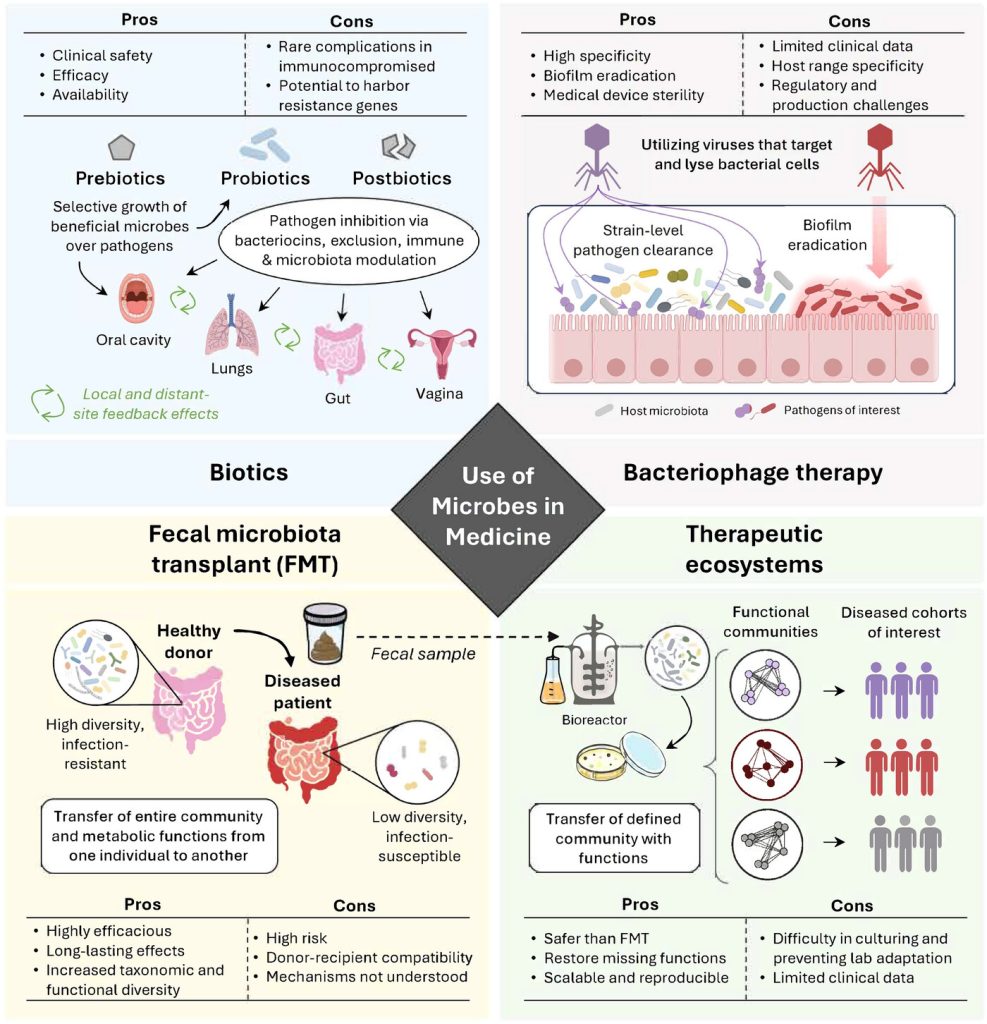
The human microbiome is a critical component of overall health, influencing digestion, immunity, and even mental well-being. Advances in research have highlighted the importance of maintaining microbial diversity and developing targeted therapies to restore balance. With the increasing concern over antibiotic resistance and chronic diseases linked to microbiome disruption, scientists are exploring innovative strategies, including microbial therapeutics and personalized interventions.

Key Points of this review :

  • Microbial Therapeutics as a Health Strategy
    The use of probiotics, prebiotics, and other advanced microbial treatments offers a promising alternative to conventional medical approaches. These therapies aim to restore beneficial bacteria, enhance gut health, and improve immune function.

  • Microbiome Homeostasis and Disease Prevention
    A well-balanced microbiome is essential for preventing infections, reducing inflammation, and lowering the risk of metabolic disorders. Disruptions due to poor diet, stress, or antibiotics can lead to long-term health issues.

  • Rewilding the Human Microbiome
    The reviewers of this paper propose reintroducing beneficial microbes that have been lost due to modern lifestyles. Studies on nonindustrialized societies suggest that a richer microbial environment may protect against autoimmune diseases and allergies.

  • Personalized Microbiome Modulation
    Emerging research emphasizes tailoring microbiome interventions to individual profiles. Advances in sequencing technologies and artificial intelligence are paving the way for precision medicine, allowing for customized treatments based on genetic and microbial composition.

Conclusion:
As research continues to uncover the profound impact of the microbiome on health, strategic interventions using microbial therapeutics, rewilding approaches, and personalized treatments are becoming key areas of focus. By harnessing these strategies, healthcare can move toward a more preventative, holistic approach, improving overall well-being and reducing the burden of chronic diseases.

All these topics will be discussed during Targeting Microbiota 2025 wich will be held in Valencia and Tokyo Microbiota 2025. 

Reference : Brendan A. Daisley, Emma Allen-Vercoe, 2024

Altered Gut Microbiota, Reduced Butyrate, and Increased Gray Matter Free Water in Alzheimer’s and MCI Patients


A study published in Neurobiology of Disease () investigated the link between neuroinflammation, gut microbiota changes, and butyrate depletion in Alzheimer’s disease (AD) and mild cognitive impairment (MCI). Neuroinflammation plays a key role in AD progression, and free water (FW) imaging, which measures extracellular water content, serves as a marker for this process. Meanwhile, gut microbiota alterations, particularly the decline of butyrate-producing bacteria, have been implicated in neurodegeneration.
 
Methods & Key Findings
 
  • Study Population: 56 participants (19 cognitively normal controls, 19 MCI, 18 AD).
  • Higher FW Levels in AD/MCI: Increased FW in gray and white matter, especially in frontal, temporal, limbic, and paralimbic regions, correlated with worse cognitive function.
  • Gut Dysbiosis & Butyrate Reduction: FW levels were negatively correlated with the decline of butyrate-producing bacteria (Anaerostipes, Lachnospiraceae UCG-004, [Ruminococcus] gnavus).
This study highlights a potential gut-brain axis in AD, where neuroinflammation (measured by FW) is linked to gut dysbiosis and reduced butyrate producers. The findings suggest that targeting the gut microbiota, possibly through dietary or probiotic interventions, could be a strategy to mitigate neuroinflammation in AD and MCI.
 

Brewing Gut Health How Coffee Consumption Shapes the Microbiome and Boosts Beneficial Bacteria

A recent study published in Nature Microbiology explores the relationship between coffee consumption and the human gut microbiome. Researchers found a significant association between coffee intake and the presence of Lawsonibacter asaccharolyticus, a bacterial species recently isolated from the human intestine (Nature Microbiology, 2024).

Key Findings

  • Association with Lawsonibacter asaccharolyticus: Higher coffee consumption correlates with increased levels of this specific gut bacterium.
  • Microbiome diversity: Regular coffee drinkers exhibit greater gut microbial diversity compared to non-drinkers.
  • Potential health implications: The presence of L. asaccharolyticus may influence metabolic processes and overall gut health, though further research is needed to understand the mechanisms involved.

These findings suggest that coffee consumption may positively influence gut microbiome composition, particularly by promoting the growth of beneficial bacteria such as Lawsonibacter asaccharolyticus. Notably, L. asaccharolyticus has been identified as a butyrate-producing bacterium (Sakamoto et al., 2018). Butyrate plays a crucial role in gut health by serving as an energy source for colonocytes, enhancing intestinal barrier function, and exhibiting anti-inflammatory properties. Therefore, the increased abundance of this bacterium linked to coffee consumption may have broader beneficial effects on gut physiology.

Article DOI.

Barley and Natto Consumption Linked to Beneficial Gut Bacteria in Non-Obese Individuals

A recent study led by Jun Kunisawa from the National Institutes of Biomedical Innovation, Japan, explores the relationship between high barley consumption, natto intake, and gut microbiota composition in non-obese individuals. Barley, rich in β-glucan, is known for its potential role in obesity prevention. Since dietary fiber is metabolized by gut microbiota, researchers investigated the microbial profile of individuals with high barley intake.

Analyzing data from 185 participants enrolled in “The cohort study on barley and the intestinal environment (UMIN000033479),” the study examined physical health, blood markers, dietary habits, and gut microbiome composition. Participants were categorized based on their barley consumption levels, identifying non-obese individuals with high intake as responders and those with obesity as non-responders.

Findings revealed that barley responders consumed more natto, a fermented soybean product, compared to non-responders. Gut microbiome analysis showed that Butyricicoccus and Subdoligranulum were more abundant in responders even after adjusting for confounding factors. Bacillus subtilis, found in natto, plays a role in glycolysis, while Butyricicoccus and Subdoligranulum contribute to butyrate production, which supports gut health.

These results suggest a connection between dietary fiber intake, fermented food consumption, and gut microbiota composition. The presence of butyrate-producing bacteria in barley responders may enhance fiber metabolism and influence gut health, providing new insights into the potential health benefits of dietary choices. Further research is needed to explore the broader implications of these findings.

Article DOI.

Image Credits: Freepik.com

The Hidden Architects of the Gut: Phage-Bacteria Dynamics in Early Childhood Development

The Hidden Architects of the Gut Phage Bacteria Dynamics in Early Childhood Development

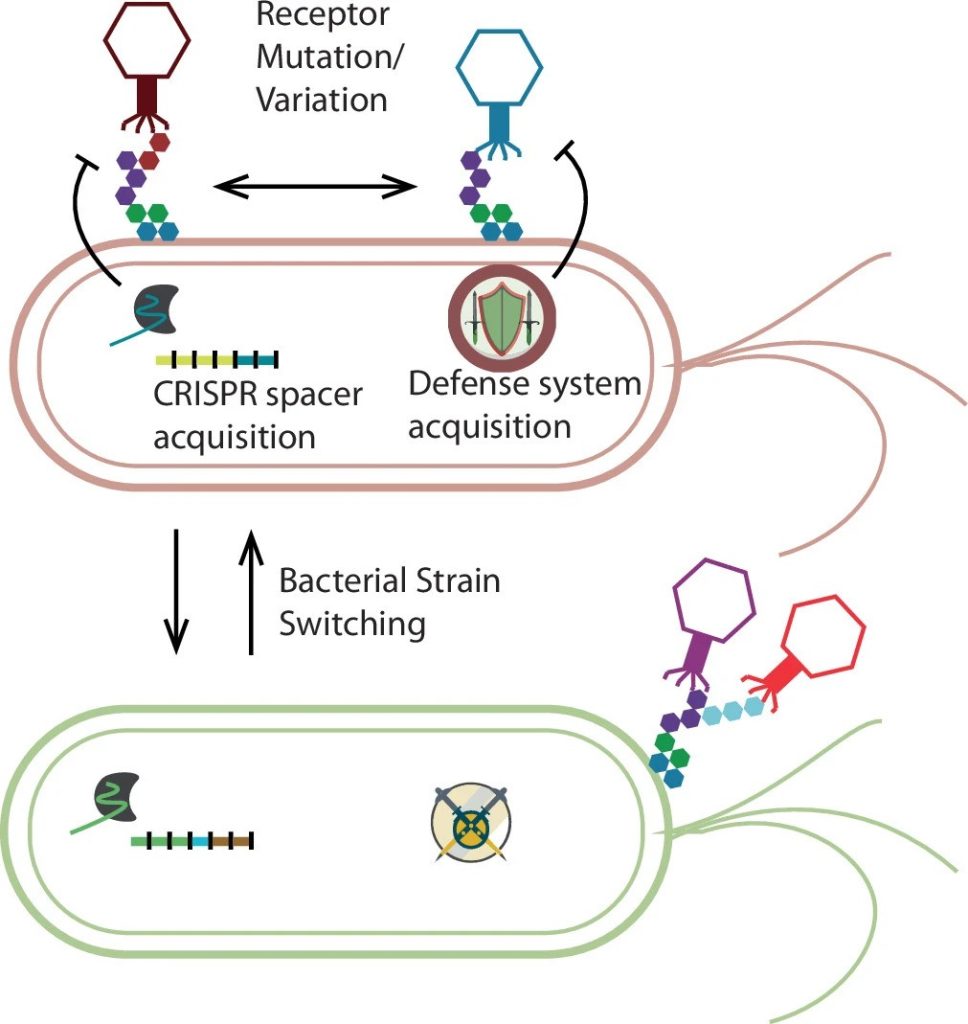
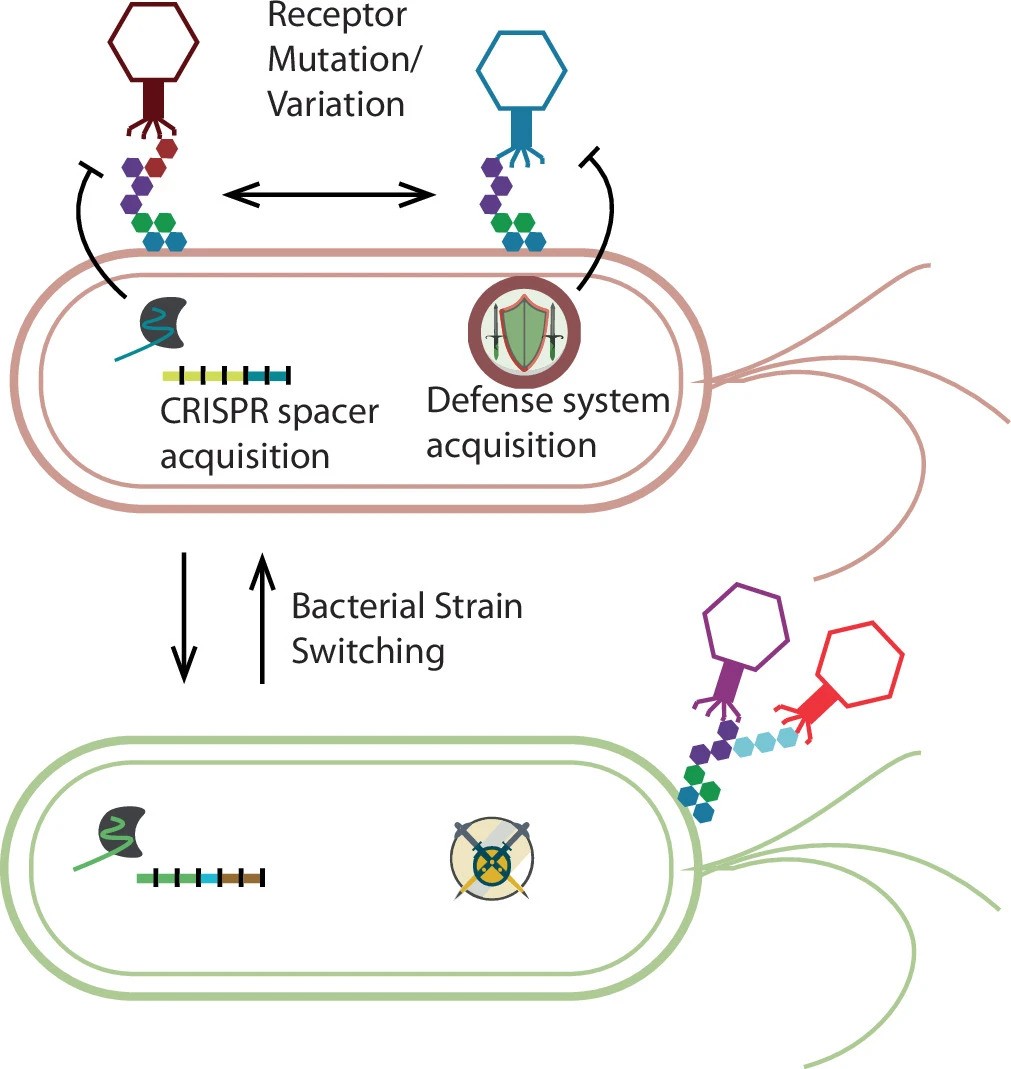
A schematic of factors potentially accounting for high virus (phage) turnover in human guts.

This study explores the dynamic relationship between bacteriophages (phages) and bacteria in the gut microbiome of infants and young children during their early years. Using metagenomic sequencing data from over 12,000 stool samples collected as part of the Environmental Determinants of Diabetes in the Young (TEDDY) project, the researchers uncovered how phages and bacteria interact and evolve. Phages, described as the “hidden architects” of the gut ecosystem, exhibit faster turnover and greater transience than bacteria while accumulating diversity over time.

The analysis revealed structured ecological succession in the microbiome, with microbial communities transitioning through distinct phases as children age. It was found that children who later developed type 1 diabetes showed slower changes in their microbial community during their second year of life. By employing the novel bioinformatics tool Marker-MAGu, the study enabled simultaneous profiling of phages and bacteria, revealing a deeper understanding of their co-evolution. Phage profiling also improved the ability to geographically distinguish microbiomes, underscoring their role in shaping microbial ecosystems.

These findings highlight the crucial yet underappreciated role of phages in gut microbiota development and their potential influence on immune system maturation and disease risk. This work not only provides valuable insights into the early-life gut microbiome but also paves the way for phage-based therapeutic and diagnostic strategies.

Figure Description: Since phage often put negative selective pressure on their hosts, these bacteria may evolve evasive mutations in receptor-related genes or other entry factors. Relatedly, some bacteria can conduct phase variation, reversibly altering their surface molecules. Bacteria may also acquire phage-specific CRISPR spacers to fend off deleterious phage or acquire entirely new phage defence systems via horizontal gene transfer. Phage, on the other hand, will sometimes, but not always overcome these new defences via mutation of their own genes. In our study, we are unable to detect bacterial strain switching, in which a new strain of the same bacteria interlopes and outcompetes an existing strain. Strain switching will cause some or all of the bacteria-specific phage to be lost from the gut due to different receptors and defence systems, but it will provide opportunities for new phages. Finally, if a bacterial host becomes extinct, so will its obligate parasite phage, so phages are not expected to persist in the gut for long periods after elimination of its host.

Image Source: Tisza, M.J., Lloyd, R.E., Hoffman, K. et al. Nat Microbiol (2025)

Article DOI.

The Role of Gut Microbiota in Sarcopenia and Potential Probiotic Treatments

dna bacterias 1 min

Sarcopenia, an age-related muscle disorder, increases the risk of adverse clinical outcomes, but current treatment options are limited. Recent research highlights the potential role of gut microbiota in sarcopenia. The study compared gut microbiota and metabolites in older adults with and without sarcopenia, followed by fecal microbiota transplantation (FMT) in mice to investigate causality. Specific probiotics, such as Lacticaseibacillus rhamnosus (LR) and Faecalibacterium prausnitzii (FP), showed promise in enhancing muscle health and function in aged mice, primarily by improving mitochondrial activity and intestinal immune health.

Microbial Composition and Sarcopenia:

  • Older adults with sarcopenia displayed distinct gut microbiota and metabolite profiles, including differences in Paraprevotella, Lachnospira, short-chain fatty acids (SCFAs), and purine metabolites.
  • FMT from sarcopenic donors to mice resulted in reduced muscle mass and strength in the recipients.

Probiotics and Muscle Health:

  • Probiotics Lacticaseibacillus rhamnosus (LR) and Faecalibacterium prausnitzii (FP) were positively associated with muscle health in older adults.
  • In aged mice, these probiotics improved muscle mass, strength, and mitochondrial function.

Mechanisms of Action:

  • Transcriptomics revealed enrichment of genes related to the tricarboxylic acid (TCA) cycle after probiotic treatment.
  • Metabolic analysis indicated increased TCA substrates in LR and FP supernatants.
  • Probiotics enhanced mitochondrial density, ATP content, NAD+/NADH ratio, mitochondrial dynamics, and biogenesis proteins.

Additional Benefits:

  • Tight junction proteins in the colon and intestinal immune health (e.g., reduced CD8+IFNγ+ T cells) were improved by LR and the combination of probiotics.

Conclusion:

  • Gut microbiota dysbiosis contributes to sarcopenia, and probiotics targeting muscle health could be a promising therapeutic strategy.
  • Further clinical studies are necessary to validate these findings in humans.

Article DOI.

Image Source: Freepik.com

Mitochondrial Dysfunction Disrupts Microbiome, Leading to Crohn’s Disease

A new study published in Cell Host & Microbe reveals how mitochondrial dysfunction can disrupt the gut microbiome, contributing to the development of Crohn’s disease. Researchers from the Technical University of Munich (TUM), led by Prof. Dirk Haller, used intestinal organoids and a mouse model to investigate how mitochondrial impairment influences gut tissue and microbiome composition.

The disruption of the Hsp60 gene, essential for mitochondrial function, led to changes in intestinal epithelium and gene expression similar to those observed in Crohn’s patients. Moreover, significant shifts in the gut microbiome were noted, reinforcing the link between mitochondrial dysfunction and intestinal inflammation.

These findings present a potential new therapeutic approach for Crohn’s, shifting the focus from inflammation to restoring mitochondrial function and microbiome balance. Prof. Haller emphasized that targeting mitochondrial pathways or microbiome-mitochondria interactions could offer a promising avenue for treatment.

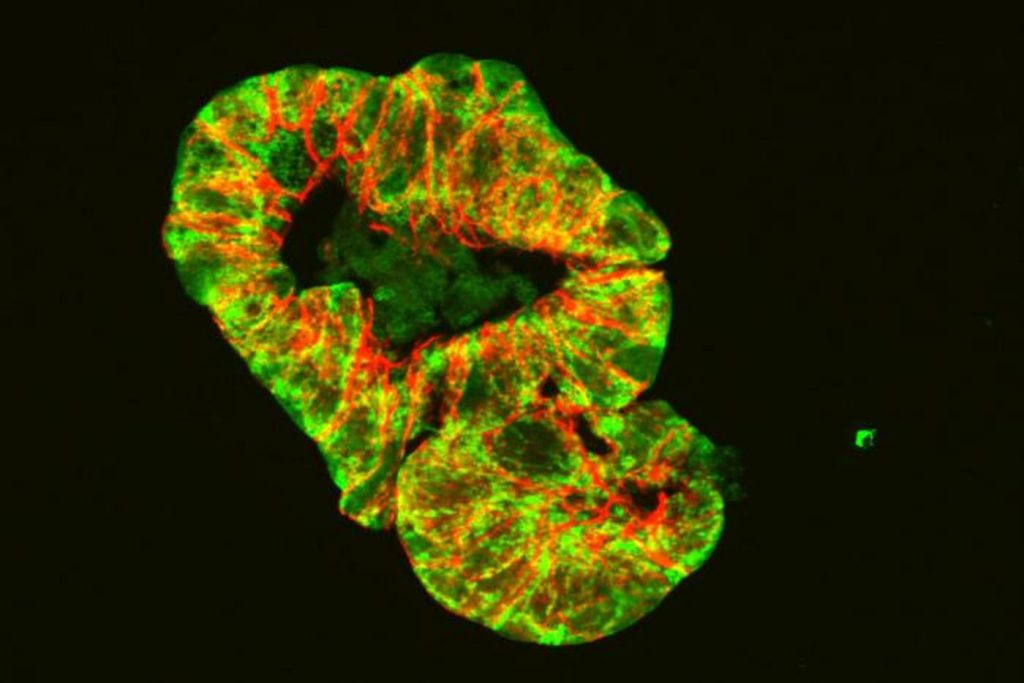
Image Description:

An intestinal organoid model with epithelial cells (red) and mitochondria (green). Credit: Lehrstuhl für Ernährung und Immunologie / TUM.

Source: https://www.labroots.com/trending/cell-and-molecular-biology/27926/mitochondrial-dysfunction-disrupt-microbiome-cause-crohn-s