
A surprising microbiome finding could reshape how we think about fertility and reproductive aging.

A new study published in Nature Aging shows that fecal microbiota transplants from older female mice improved ovarian function and fertility in younger mice. (USC Leonard Davis School of Gerontology) The research was led by Dr. Bérénice Benayoun (senior author) at the USC Leonard Davis School of Gerontology, with Dr. Min Hoo Kim as first…


The Scientific Vision of the RIKEN-ISM Tokyo Meeting

The RIKEN-ISM Tokyo Meeting aims to advance a new phase of microbiota science, moving beyond the description of microbial communities toward a deeper understanding of how microbial ecosystems regulate human physiology. Researchers from multiple disciplines will gather in Tokyo to explore how microbiota influence metabolism, immunity, and cellular function through the production of microbial metabolites.…

Japan Takes Center Stage in Microbiota Innovation

  Tokyo to Host Global Summit Showcasing the Nation’s Leadership in Fermentation Science and Microbiome Medicine Japan is reinforcing its position as a global powerhouse in microbiota research and fermentation science, as the country prepares to host the First Conjoint Meeting ISM–RIKEN – Targeting Microbiota this October in Tokyo. Long recognized for its centuries-old Fermentation…

The Microbiome Revolution: Personalized Therapies for a Healthier Future

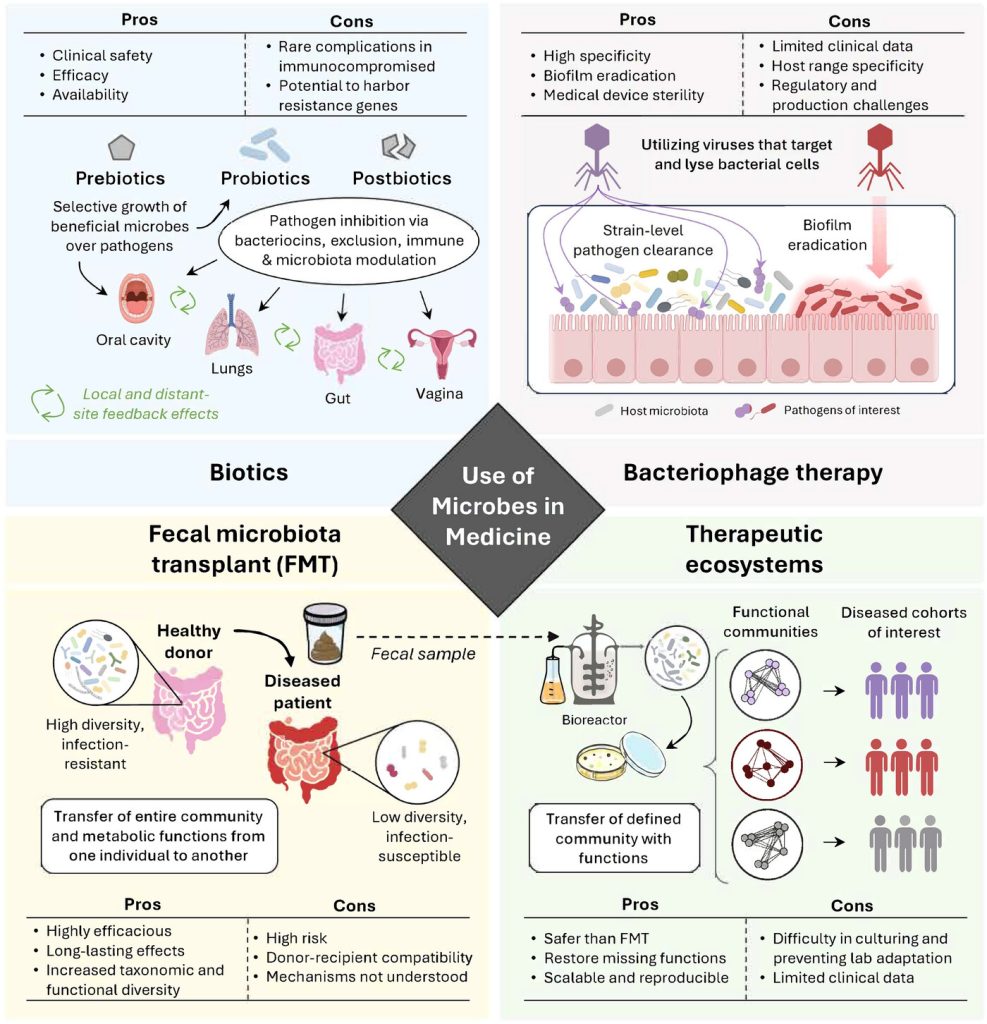
The human microbiome is a critical component of overall health, influencing digestion, immunity, and even mental well-being. Advances in research have highlighted the importance of maintaining microbial diversity and developing targeted therapies to restore balance. With the increasing concern over antibiotic resistance and chronic diseases linked to microbiome disruption, scientists are exploring innovative strategies, including…

Altered Gut Microbiota, Reduced Butyrate, and Increased Gray Matter Free Water in Alzheimer’s and MCI Patients

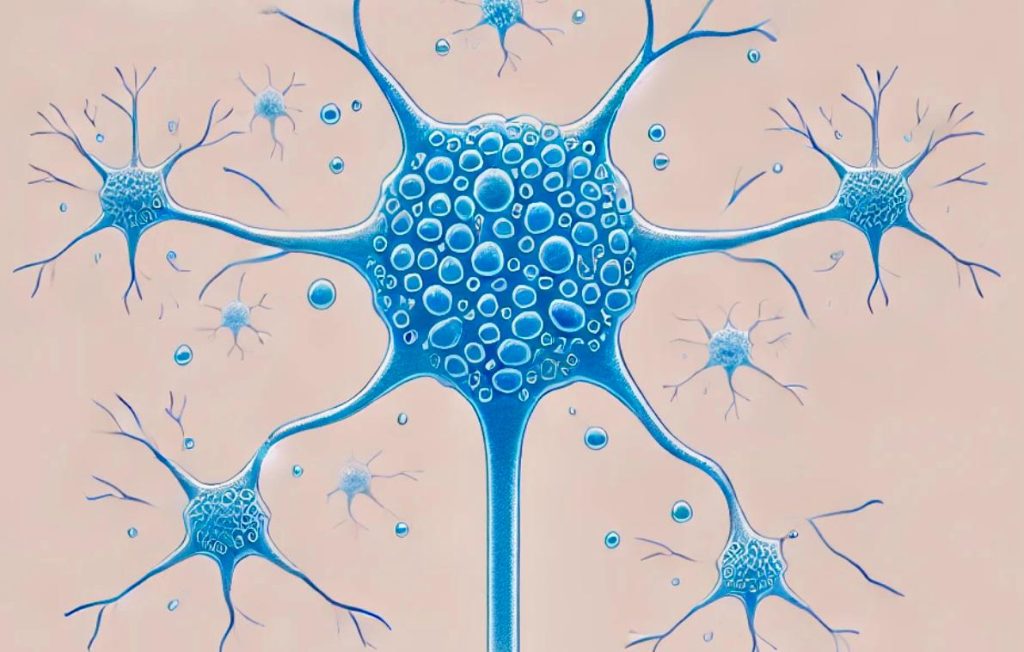
    A study published in Neurobiology of Disease () investigated the link between neuroinflammation, gut microbiota changes, and butyrate depletion in Alzheimer’s disease (AD) and mild cognitive impairment (MCI). Neuroinflammation plays a key role in AD progression, and free water (FW) imaging, which measures extracellular water content, serves as a marker for this process.…

Brewing Gut Health How Coffee Consumption Shapes the Microbiome and Boosts Beneficial Bacteria

A recent study published in Nature Microbiology explores the relationship between coffee consumption and the human gut microbiome. Researchers found a significant association between coffee intake and the presence of Lawsonibacter asaccharolyticus, a bacterial species recently isolated from the human intestine (Nature Microbiology, 2024). Key Findings Association with Lawsonibacter asaccharolyticus: Higher coffee consumption correlates with…

Barley and Natto Consumption Linked to Beneficial Gut Bacteria in Non-Obese Individuals

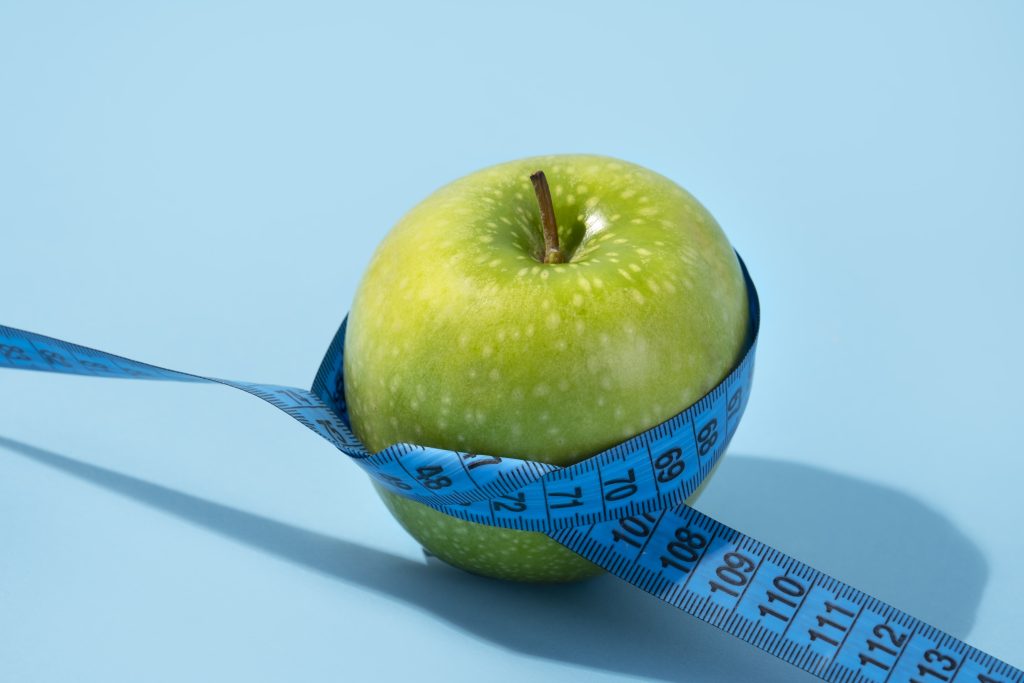
A recent study led by Jun Kunisawa from the National Institutes of Biomedical Innovation, Japan, explores the relationship between high barley consumption, natto intake, and gut microbiota composition in non-obese individuals. Barley, rich in β-glucan, is known for its potential role in obesity prevention. Since dietary fiber is metabolized by gut microbiota, researchers investigated the…

The Hidden Architects of the Gut: Phage-Bacteria Dynamics in Early Childhood Development

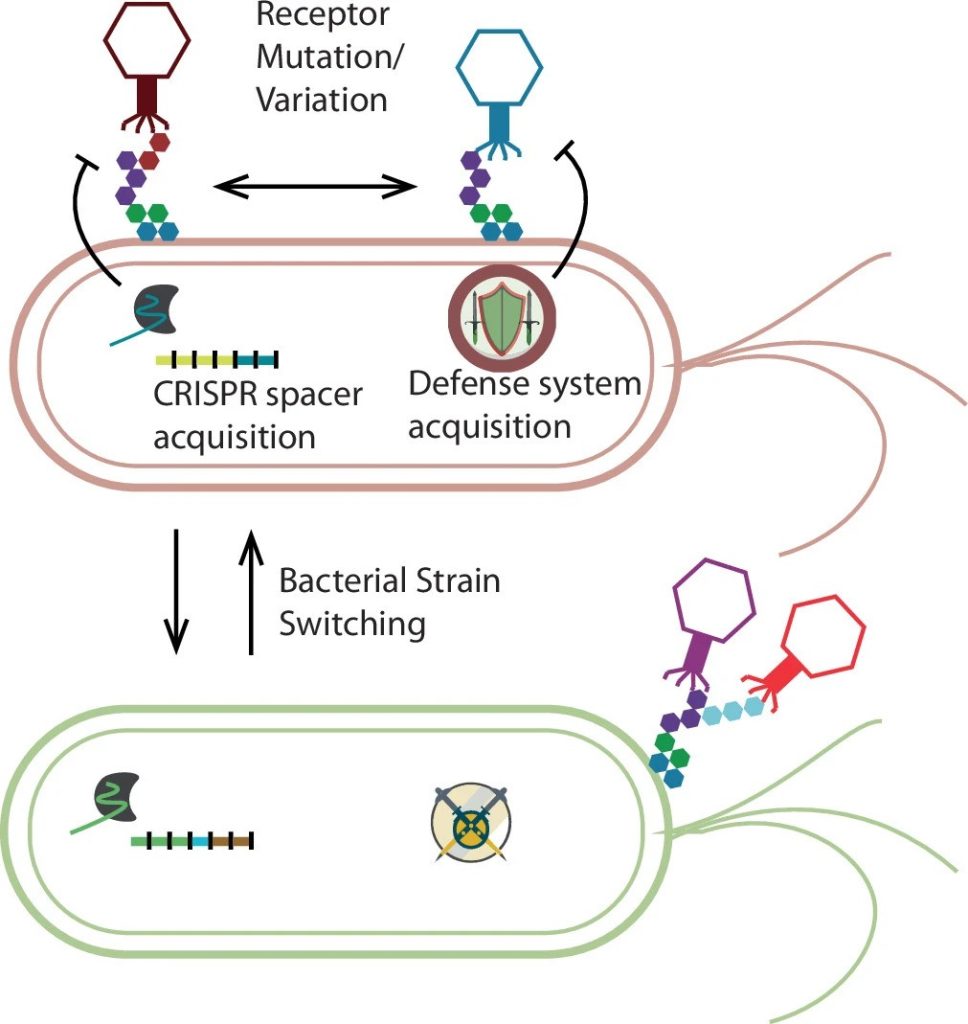
A schematic of factors potentially accounting for high virus (phage) turnover in human guts. This study explores the dynamic relationship between bacteriophages (phages) and bacteria in the gut microbiome of infants and young children during their early years. Using metagenomic sequencing data from over 12,000 stool samples collected as part of the Environmental Determinants of Diabetes in…

The Role of Gut Microbiota in Sarcopenia and Potential Probiotic Treatments

Sarcopenia, an age-related muscle disorder, increases the risk of adverse clinical outcomes, but current treatment options are limited. Recent research highlights the potential role of gut microbiota in sarcopenia. The study compared gut microbiota and metabolites in older adults with and without sarcopenia, followed by fecal microbiota transplantation (FMT) in mice to investigate causality. Specific…